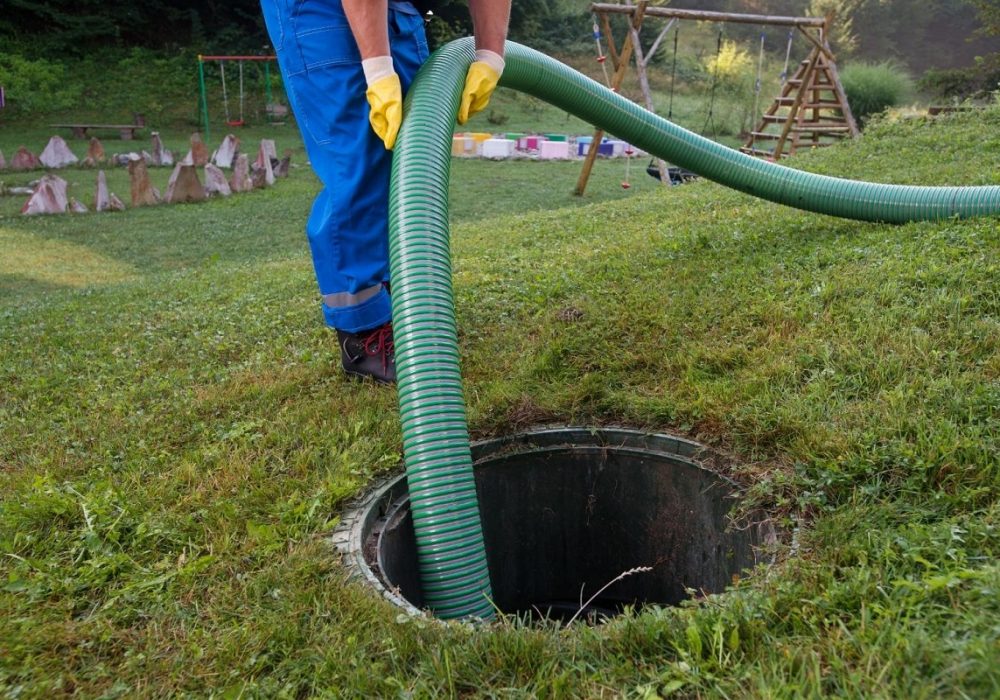
Learn how regular septic care can lead to an odor-free home, with tips on odor-control tablets and essential maintenance routines.

Friday, November 22, 2024

The DIY Fix That Worked Wonders for My Septic Tank Smell

The DIY Fix That Worked Wonders for My Septic Tank Smell

Banishing the Bog: My DIY Septic Tank Smell Solution

Okay, folks, let's talk about something nobody really *wants* to talk about: septic tank smells. That horrifying, gut-wrenching, "Oh god, what is THAT?" aroma that can suddenly waft through your house, ruining a perfectly good evening. I’ve been there. For weeks, actually. And let me tell you, it was NOT fun. We’re talking that truly offensive, unforgettable stench that makes you want to hold your breath and run for the hills. So, after weeks of sniffing around (pun intended!), researching, and trying various “solutions” (some more effective than others…), I finally cracked the code. And I'm here to share my DIY fix with you, because nobody deserves to live with that kind of olfactory assault.

The Stink Started Subtly…Then Exploded

It all began innocently enough. A faint, almost imperceptible whiff here and there. I blamed the dog, the garbage disposal, even the wind. You know, classic denial. But the smell grew bolder, more persistent. It started creeping into the house, lingering in the bathroom, and even making its way into the living room. Guests started to politely excuse themselves to “get some fresh air” â€" which, let's be honest, is code for "this place smells like a toilet exploded".

I tried the usual suspects: pouring baking soda down the drains, using commercial drain cleaners (which, by the way, I wouldn't recommend â€" more on that later), even lighting scented candles (which only masked the problem temporarily and just made things smell weirdly artificial). Nothing worked. The smell persisted, a constant, nagging reminder of the biological warfare happening somewhere beneath my feet.

My Research Journey: A Septic System Deep Dive

Desperate for a solution, I dove headfirst into the world of septic systems. I read articles, watched YouTube videos (some were helpful, some were… not so much), and even consulted some online forums. Turns out, septic tank smells aren't always about a malfunctioning tank itself. Often, the problem lies in the drain field â€" the area where the treated wastewater is dispersed into the ground. And that’s where I discovered the root of my stinky situation.

The Culprit: Clogged Drain Field

Many of the articles I read pointed towards a clogged drain field. Apparently, over time, the soil around the drain field can become compacted, preventing proper wastewater absorption. This leads to a backup, causing the unpleasant odors to escape. The thought of having to dig up my entire yard filled me with dread, but the prospect of continuing to live with the smell was even worse.

My DIY Drain Field Revival Plan

So, I decided to try a DIY solution before calling in the expensive professionals. My plan involved two key steps: aeration and water management.

Aeration: Giving the Soil Some Breathing Room

My first task was to aerate the soil around the drain field. This helps to loosen compacted soil, allowing for better water absorption. I didn't rent any fancy equipment; I opted for the good old-fashioned method: a garden fork! I carefully worked my way around the estimated location of my drain field (you can usually find this information on your septic system inspection report, or you can ask your local septic tank service). I poked the fork into the ground, working it in and out to loosen the soil. It was a lot of manual labor, but it felt good to be actively doing something to tackle the problem.

Important Note: Don't go crazy digging. You don̢۪t want to accidentally damage your drain field pipes. I worked my way around the area gently and cautiously. A few inches of depth was enough to make a difference.

Water Management: Less is More

The second part of my plan involved water management. A major contributor to drain field clogging is excessive water usage. So, I made some conscious changes to our household habits:

  • Shorter showers: We all cut down our shower time significantly.
  • Less laundry: We waited to do laundry until we had full loads, instead of doing smaller loads frequently.
  • Careful appliance use: We avoided running the dishwasher and washing machine at the same time.
  • Fixing leaks: We checked all our faucets and pipes for leaks and fixed them immediately.

These seemingly small changes had a surprisingly big impact. It reduced the strain on the septic system and allowed the drain field to catch up and absorb the wastewater effectively.

The Results? A Smell-Free Miracle!

Within a week of implementing these DIY fixes, the smell started to fade. Gradually, the offensive odor vanished completely. It was honestly miraculous. I went from holding my breath every time I entered my own house to enjoying a fresh, clean-smelling home. It was a huge relief, and a testament to the power of simple, proactive solutions.

Important Considerations Before You Begin

Before attempting any DIY septic system work, there are a few things to keep in mind:

  • Know your system: Understand the layout of your septic system. A professional inspection can be helpful if you're unsure.
  • Don't overdo it: Avoid excessive digging or damaging pipes. If you're unsure about anything, it’s always better to err on the side of caution and seek professional help.
  • Local regulations: Check your local regulations regarding septic system maintenance. Some areas have specific rules and requirements.

Frequently Asked Questions

Q: How often should I aerate my drain field?

A: It depends on your soil type and usage. Once a year is a good starting point, but you might need to do it more frequently if you notice any issues.

Q: What if my smell problem persists after trying this?

A: If the smell continues after you've aerated the soil and adjusted your water usage, it's time to call a professional septic service. There could be a more serious problem, such as a failing septic tank or a more significant drain field blockage.

Q: Are there any other DIY solutions I can try?

A: You can try adding beneficial bacteria to your septic tank, which can help break down waste more efficiently. However, this is usually a supplemental measure, and it won̢۪t solve a clogged drain field.

Q: How much did this cost me?

A: The only cost was the time and effort involved in aerating the soil with a garden fork â€" essentially, nothing! Saving money on expensive professional services was a huge bonus!

I hope my experience helps you tackle that dreadful septic tank smell. Remember, prevention is key. Regular maintenance and mindful water usage can go a long way in keeping your septic system happy and your home smelling fresh!
Share:

Wednesday, November 20, 2024

Effective Ways to Eliminate Septic Tank Odors Naturally

Effective Ways to Eliminate Septic Tank Odors Naturally

Effective Ways to Eliminate Septic Tank Odors Naturally

Unpleasant odors emanating from a septic system are not only bothersome but can also indicate underlying issues requiring immediate attention. While chemical solutions exist, many homeowners prefer natural methods to mitigate septic tank odors, prioritizing environmental friendliness and family health. This article explores effective, natural strategies for eliminating and preventing these offensive smells, focusing on proactive maintenance and addressing potential sources of the problem.

Understanding the Source of Septic Tank Odors

Before implementing any odor-elimination strategy, it's crucial to understand the source of the problem. Septic tank odors typically arise from a disruption in the natural biological processes within the system. These processes rely on beneficial bacteria to break down waste effectively. When this balance is disturbed, the resulting gases, including hydrogen sulfide (responsible for the characteristic "rotten egg" smell), can escape and permeate the surrounding environment.

Common Causes of Septic Tank Odor Problems

  • Insufficient bacterial activity: An imbalance in the bacterial population, often due to the introduction of harmful chemicals or insufficient food for the bacteria, leads to incomplete waste breakdown and increased odor production.
  • Overloading the system: Exceeding the septic tank's capacity through excessive water usage or improper disposal of certain waste materials strains the system, leading to backups and odor release.
  • Clogged drain lines or vents: Blockages within the system impede the flow of wastewater and gases, causing pressure buildup and the release of foul odors.
  • Improper septic tank maintenance: Neglecting routine maintenance, such as pumping, inspection, and cleaning, allows solids to accumulate, slowing down the decomposition process and releasing gases.
  • Cracked or damaged components: Leaks in the tank or pipes allow sewage to seep into the surrounding soil, releasing odors and potentially contaminating groundwater.
  • Dry septic system: A prolonged period without sufficient water inflow can result in the accumulation of solids and a decrease in bacterial activity, leading to odors.

Natural Methods for Eliminating Septic Tank Odors

Addressing septic tank odors naturally involves a multi-pronged approach, focusing on restoring the biological balance within the system, maintaining proper drainage, and preventing future issues. The following strategies offer effective and environmentally sound solutions:

Enhancing Bacterial Activity

Beneficial bacteria are essential for the proper functioning of a septic system. Introducing bacterial supplements specifically designed for septic tanks can significantly improve the breakdown of waste, reducing the production of foul-smelling gases. These supplements are readily available at most home improvement stores and are generally safe for both the environment and the septic system.

Maintaining Proper Drainage

Ensuring efficient drainage is paramount in preventing septic tank odors. Regularly checking for and removing clogs in drain lines is crucial. Avoid flushing items such as sanitary wipes, paper towels, and excessive amounts of grease down the toilet, as these can contribute to blockages. Regular inspection of the drain field is also recommended to detect any signs of clogging or standing water.

Aerating the System

Proper ventilation is vital for preventing the buildup of gases within the septic system. Ensure that the vent pipe, typically extending from the septic tank to the exterior of the house, is unobstructed and functioning correctly. A clogged vent pipe traps gases, causing them to back up and escape through other openings, leading to odor problems. Regular inspection and cleaning of the vent pipe can prevent this issue.

Using Natural Odor Absorbers

While not addressing the root cause, natural odor absorbers can temporarily mask unpleasant smells. Baking soda, a readily available and inexpensive household item, is a powerful odor neutralizer. Sprinkling baking soda around the septic tank lid or in areas where odors are prevalent can temporarily absorb and neutralize foul smells. Activated charcoal, another effective natural odor absorber, can be used similarly. It's important to note that these methods only address the symptom, not the underlying problem; addressing the root cause is crucial for long-term odor control.

Improving Soil Drainage Around the Septic System

Poor soil drainage can contribute to septic system issues. If the soil surrounding the drain field is consistently waterlogged, it can impair the system's ability to process waste effectively. Improving soil drainage through methods such as creating a berm or adding gravel around the system can improve performance and reduce odor problems. Consulting a septic system professional is advised to determine the best approach for your specific situation.

Preventive Measures for Long-Term Odor Control

Proactive measures are crucial in preventing septic tank odor problems. Regular maintenance is the cornerstone of a well-functioning and odor-free septic system.

Regular Pumping and Inspection

Septic tanks require periodic pumping to remove accumulated solids and sludge. The frequency depends on factors such as household size and water usage, but a general guideline is to have the tank pumped every 3-5 years. Regular inspections by a qualified professional can identify potential problems early, preventing more serious and costly repairs.

Careful Waste Disposal Practices

Avoid flushing items that don't readily break down, such as sanitary wipes, feminine hygiene products, and excessive amounts of grease or oil. These can clog pipes, disrupt the biological processes within the tank, and contribute to odor problems. Similarly, minimize the use of harsh chemicals, as these can kill beneficial bacteria and disrupt the system's delicate balance.

Water Conservation

Conserving water reduces the load on the septic system, preventing overloading and potential backups. Simple measures such as shorter showers, fixing leaky faucets, and using water-efficient appliances can significantly contribute to a healthier septic system and reduce the risk of odor issues.

When to Seek Professional Help

While many septic tank odor problems can be addressed through natural methods and preventative maintenance, some issues require professional intervention. If odors persist despite your efforts, or if you experience other signs of septic system malfunction, such as slow drains, backups, or sewage surfacing in the yard, it̢۪s crucial to contact a qualified septic system professional. They can diagnose the problem accurately and recommend the appropriate solution, preventing more significant damage and ensuring the long-term health of your septic system.

By implementing these natural methods and following preventative measures, homeowners can significantly reduce the occurrence of septic tank odors and maintain a clean, healthy, and environmentally friendly septic system for years to come.

Share:

Tuesday, November 19, 2024

My Experience with Keeping Septic Tank Smells Away Using Natural Remedies

My Experience with Keeping Septic Tank Smells Away Using Natural Remedies

Banishing Septic Tank Odors Naturally: My Proven Methods

The pungent aroma of a malfunctioning septic system is not something anyone enjoys. For years, I dealt with intermittent, yet undeniably offensive, smells emanating from my backyard. Instead of resorting to harsh chemicals, I embarked on a journey to conquer these odors using natural methods. What I discovered was a surprisingly effective arsenal of remedies that transformed my property from a smelly swamp into a fragrant haven. This article details my experience, offering practical solutions that you can implement in your own home.

Understanding the Source of the Smell

Before diving into solutions, it's crucial to understand the root cause. Septic tank odors typically arise from a buildup of gases, primarily hydrogen sulfide, produced by anaerobic bacteria during the decomposition process. These gases escape through vents or cracks in the system, finding their way to the surface. Identifying the precise location of the leak is essential. In my case, the smell was strongest near the septic tank's lid and a slightly depressed area of the lawn, suggesting a potential problem with the tank itself or its drain field. I initially tried to mask the smell with air fresheners, but this only provided temporary relief and masked a potentially serious underlying issue. Addressing the underlying issue would be far more sustainable and effective.

My Natural Solutions for Eliminating Septic Tank Odors

Boosting Beneficial Bacteria

My first strategy involved boosting the population of beneficial bacteria within the septic system. These bacteria are essential for breaking down organic waste effectively. I opted for commercially available septic tank treatments containing beneficial bacteria and enzymes. I followed the product instructions carefully, ensuring the correct dosage and application method. These products generally work by introducing helpful microorganisms that outcompete the odor-causing bacteria. Over several weeks, I noticed a significant reduction in the intensity of the smell. It's important to note that not all septic tank treatments are created equal; research and choose a product that contains naturally-derived bacteria and enzymes.

Maintaining Proper Drainage and Avoiding Overloading

Overloading your septic system can lead to a rapid increase in waste and, consequently, more odor production. I diligently avoided flushing inappropriate items down the toilet (think wipes, feminine hygiene products, or excessive amounts of paper towels). I also meticulously monitored water usage, avoiding excessive showering or laundry at once, ensuring the system could manage the load. I found that a proactive approach to waste management was crucial in preventing future odor problems.

Aeration and Soil Improvement

To promote better drainage and further reduce odors, I focused on improving the soil around the drain field. This area needs good aeration to allow for the efficient breakdown of wastewater. I added a layer of topsoil around the area and also considered planting plants with deep roots that help aerate the soil. I chose native plants that required minimal watering, further reducing the load on the system. This created a more favorable environment for the bacteria and helped prevent the accumulation of moisture that can exacerbate odor problems. The process requires patience and careful observation to maintain.

Regular Septic Tank Pumping

Despite my best efforts with natural remedies, regular maintenance is indispensable. I scheduled professional septic tank pumping services every three years, depending on household size and usage. This ensures the efficient removal of solid waste and prevents the buildup that can cause odors and system malfunction. A clean tank is a key component of maintaining a fresh-smelling property.

Maintaining a Fresh-Smelling Environment

While tackling the source of the odor is paramount, I also implemented some simple measures to improve the overall scent of my backyard. Planting fragrant flowers and herbs around the septic system area helped mask any lingering odors. Regularly mowing the lawn and removing any decaying organic matter further minimized potential sources of unpleasant smells. These simple steps, in conjunction with the proactive septic management, created a pleasant environment I could enjoy without worrying about septic smells.

My experience demonstrates that eliminating septic tank smells naturally is entirely achievable. By understanding the underlying issues, utilizing beneficial bacteria, practicing responsible waste management, and performing regular maintenance, you can effectively banish those unpleasant odors and create a healthier, more fragrant home environment.

Share:

Sunday, November 17, 2024

Simple Solutions for Eliminating Septic Tank Odors Outside

Simple Solutions for Eliminating Septic Tank Odors Outside

Simple Solutions for Eliminating Septic Tank Odors Outside

The presence of unpleasant odors emanating from your septic system can be a source of embarrassment and discomfort. These odors, often described as sewage-like or rotten egg-like, are usually caused by gases released during the breakdown of waste in the septic tank. While it's important to address the root cause of the odor, there are also simple and effective solutions you can implement to eliminate these smells outside your home.

Identifying the Source of the Odor

Before embarking on any odor elimination measures, it's crucial to identify the source of the smell. This will help you determine the appropriate solution. The following factors can contribute to septic tank odors:

1. Septic Tank Overflow:

If the septic tank is full or overflowing, the waste will back up into the drain field, releasing a foul odor. This is a serious problem that requires immediate attention from a qualified septic professional.

2. Drain Field Issues:

A clogged or malfunctioning drain field can prevent proper drainage and lead to odor problems. The bacteria in the drain field break down waste, and if the flow is restricted, the odor can be released.

3. Vent Pipe Problems:

The vent pipe, which extends from the septic tank to the roof, allows gases to escape and prevents pressure buildup. If the vent pipe is blocked, the gases can be released through other openings, such as the drain field or the house.

4. Leaking Pipes:

Cracks or leaks in the septic tank or pipes leading to the drain field can allow sewage to escape, creating an unpleasant smell.

Simple Solutions for Eliminating Septic Tank Odors

Once you have identified the source of the odor, you can implement the following simple solutions:

1. Proper Ventilation:

Ensuring adequate ventilation is crucial to prevent odor buildup. The septic tank vent pipe plays a critical role in this process. Make sure the vent pipe is clear of obstructions and extends above the roofline. This will allow gases to escape safely and effectively.

2. Regular Maintenance:

Regular septic system maintenance is essential to prevent odor problems. This includes:

  • Inspecting the septic tank for any signs of damage or leaks.
  • Pumping out the septic tank every 3-5 years, or as recommended by a septic professional.
  • Checking the drain field for signs of blockage or malfunction.

3. Use of Septic Tank Additives:

Septic tank additives, such as bacteria or enzyme treatments, can help break down waste more efficiently, reducing odor production. These additives are available at most hardware stores and online retailers.

4. Deodorizing Agents:

To mask existing odors, consider using deodorizing agents specifically designed for septic systems. These products are available in liquid or granular form and are often formulated with natural ingredients such as citrus or pine.

5. Landscaping Strategies:

Strategic landscaping can help conceal the septic system and minimize odor exposure. Consider planting odor-absorbing plants, such as lavender or rosemary, around the septic tank and drain field. These plants can help mask unpleasant smells and create a more pleasant environment.

6. Air Freshener:

Placing an air freshener near the septic system can temporarily mask any lingering odors. Choose an air freshener with a strong scent to effectively neutralize unpleasant smells.

Addressing Serious Odor Problems:

If simple solutions fail to eliminate the odor, it's likely a more serious problem, such as a leaking tank or a clogged drain field. In these cases, professional assistance is required. Contact a qualified septic professional to diagnose and repair the issue.

Preventing Septic Tank Odors in the Future:

To prevent future odor problems, consider the following preventive measures:

  • Avoid flushing non-biodegradable items, such as wipes, paper towels, and feminine hygiene products, down the toilet. These items can clog the septic system and lead to odor issues.
  • Limit the use of harsh chemicals, such as bleach and disinfectants, as they can kill the beneficial bacteria that break down waste.
  • Maintain proper water usage. Overloading the septic system with excessive water can cause overflow and odor problems.
  • Inspect and maintain your septic system regularly, as recommended by a professional. This can help identify and address potential problems before they become serious.

By implementing these simple solutions and preventive measures, you can effectively eliminate septic tank odors outside your home and create a more pleasant and odor-free outdoor environment. Remember, if you encounter any persistent or unusual odors, it's always best to consult a qualified septic professional for an accurate diagnosis and appropriate solutions.

Share:

How to Fix and Prevent Septic Tank Smells in Your Bathroom

How to Fix and Prevent Septic Tank Smells in Your Bathroom

How to Fix and Prevent Septic Tank Smells in Your Bathroom

Let̢۪s face it, nobody wants to deal with the unpleasantness of a smelly bathroom. And if you're struggling with septic tank odors, it can feel like you're constantly battling a losing battle. But don't despair! We're here to help you understand why these smells happen and arm you with the tools to fix them. In this guide, we'll dive into the world of septic tanks, explore the causes of those dreaded bathroom odors, and equip you with practical solutions to conquer them once and for all.

Understanding Septic Tank Basics

Before we tackle the smelly culprit, let's get a basic understanding of how septic tanks work. Imagine your septic tank as a mini wastewater treatment plant in your backyard. It's a sealed container where wastewater from your home goes to decompose naturally. Here's a simplified breakdown:

  1. Wastewater Flow: Wastewater from your home's plumbing, including sinks, toilets, and showers, flows into the septic tank.
  2. Solids Settle: Heavier solids settle to the bottom of the tank, forming sludge.
  3. Lighter Solids Float: Lighter solids rise to the top, forming scum.
  4. Bacteria Do Their Thing: Anaerobic bacteria in the tank break down the waste into simpler substances.
  5. Clear Water Out: As the wastewater decomposes, the clearer liquid at the top is discharged to a drain field, where it further filters into the ground.

Now, imagine that delicate balance within your septic system gets disrupted. That's when those unpleasant odors can surface. Let's explore some common causes of bathroom smells stemming from your septic system.

Unmasking the Causes of Bathroom Smells

Those unwanted aromas in your bathroom can be a clear sign that something's amiss with your septic system. Here are some common culprits:

1. A Full Septic Tank

Just like any container, your septic tank has a finite capacity. When it fills up beyond its limit, the sludge level rises, forcing the wastewater to be discharged prematurely before it's adequately treated. This can result in partially treated wastewater flowing into your drain field, causing backups and unpleasant smells.

2. A Clogged Drain Field

The drain field is the crucial component responsible for filtering treated wastewater into the ground. If it becomes clogged due to accumulated solids or other blockages, it can lead to wastewater backing up into your septic tank and ultimately your plumbing. This can create a strong sewage odor.

3. Issues with the Septic Tank Lid

The lid of your septic tank acts as a barrier, preventing those smells from escaping into the air. If the lid is cracked, broken, or not properly sealed, those odors can find their way into your bathroom, kitchen, or even your yard.

4. A Failing Vent Pipe

Your vent pipe is a crucial component in the ventilation system of your septic system. It acts as a vent to allow gases and odors to escape safely into the atmosphere. A blocked or failing vent pipe can create a vacuum effect, pulling those odors into your house.

5. Dry Soil Conditions

The drain field needs moisture to effectively filter the wastewater. If your soil is dry, it can hinder the drainage process and lead to backups and smells.

6. Overuse of Harsh Chemicals

While it might seem tempting to use powerful drain cleaners or other harsh chemicals to combat odors, these can actually disrupt the delicate balance of bacteria in your septic tank. This disruption can lead to a decrease in waste decomposition efficiency, causing odors and even damage to your septic system.

Tackling Septic Tank Odors: Practical Solutions

Now that you've gained insights into the possible culprits, it's time to take action! Here's a step-by-step guide to tackle those smelly issues:

1. Regular Pumping: Preventative Maintenance

The first line of defense is regular maintenance. Pumping your septic tank every 2-3 years, or as recommended by your local sanitation department, is essential. This ensures that sludge and scum levels don't rise to problematic levels and interfere with the efficient functioning of your septic system.

2. Inspect Your Drain Field: A Look Under the Hood

Check for any signs of blockage or poor drainage in your drain field. You can visually inspect it for standing water, saturated soil, or grass growth that seems unusually lush. If you suspect an issue, it's best to call a professional for a thorough inspection.

3. Seal Up Those Odors: Lid and Vent Checks

Examine your septic tank lid for cracks, gaps, or damage. Ensure it's tightly sealed to prevent odors from escaping. Inspect your vent pipe for any blockages or signs of damage. If you notice any issues, don't hesitate to contact a professional for repairs.

4. Water Wisely: Conservation is Key

Conserving water can help prevent overfilling your septic tank and minimize the strain on your drain field. Avoid using water-intensive appliances like dishwashers and washing machines excessively. Consider shorter showers and using low-flow toilets to reduce water consumption.

5. Say No to Harsh Chemicals: Let Nature Take Its Course

Resist the urge to pour harsh chemicals into your septic tank. These can disrupt the delicate balance of bacteria, leading to problems that can worsen the smell and even damage your system. Use natural cleaning solutions and eco-friendly products to maintain a healthy balance.

6. Add a Septic System Booster: A Helping Hand

Adding a septic system booster containing beneficial bacteria can help enhance the breakdown of waste in your tank. This can reduce the buildup of sludge and scum, minimizing odors. Be sure to choose a booster that's specifically designed for septic systems.

7. Consider a Septic Tank Filter: A Shield Against Solids

Installing a septic tank filter can help trap solids before they reach the drain field. This can prevent clogging and improve the overall efficiency of your septic system.

When to Call a Professional

While many of these solutions can be tackled yourself, some situations require the expertise of a professional. Here are some signs that you need to call a septic tank technician:

  • Persistent Odors: If you've tried the above solutions and the odors persist, there might be a deeper problem with your septic system.
  • Slow Drains: Noticeably slower drains or gurgling sounds in your plumbing could signal a blockage in your system.
  • Backups in Your System: If you're experiencing sewage backups into your home, it's crucial to call a professional immediately.
  • Visible Damage: Any visible damage to your septic tank or drain field, such as cracks or leaks, warrants immediate attention.

Commonly Asked Questions

Here are some common questions about septic tanks and odors:

1. What are the best ways to prevent septic tank smells?

The best prevention is proactive maintenance. Regular pumping, water conservation, and avoiding harsh chemicals can go a long way in keeping your septic system healthy and odor-free.

2. What are the signs of a failing septic system?

Persistent odors, slow drains, backups, visible damage, and unusually lush vegetation in the drain field area are all signs of a failing septic system.

3. How often should I have my septic tank pumped?

A typical guideline is every 2-3 years, but it's best to consult your local sanitation department for specific recommendations.

4. Can I flush toilet paper down my septic system?

It's generally recommended to use toilet paper specifically designed for septic systems. Avoid flushing anything other than human waste and toilet paper.

5. What should I avoid using in my septic system?

Avoid harsh chemicals, bleach, disinfectants, grease, oil, and large quantities of hair. These can disrupt the bacteria balance and damage your system.

Remember, a properly maintained septic system is less likely to cause problems and unpleasant odors. By taking the right steps and seeking professional help when needed, you can keep those bathroom smells at bay and enjoy a fresh and healthy environment in your home.

Share:

How to Naturally Clean Your Septic Tank and Keep It Running Smoothly

How to Naturally Clean Your Septic Tank and Keep It Running Smoothly

The Scoop on Septic Tank Maintenance: Natural Solutions for a Happy System

Let's face it, septic systems aren't exactly the most glamorous part of homeownership. But like any hardworking machine, they need a little TLC to keep running smoothly. And trust me, you'll want to keep your septic system happy. A clogged or overflowing septic tank can lead to major headaches (and smells!). But the good news is, you don't need harsh chemicals or expensive services to keep your system in tip-top shape. There are plenty of natural ways to maintain a healthy septic tank and avoid those dreaded plumbing problems. Let's dive into the world of septic tank maintenance and discover how to keep it running like a well-oiled machine.

The Basics of Septic Systems

Before we get into the nitty-gritty of natural cleaning, let's quickly refresh on how septic systems work. Imagine a mini-wastewater treatment plant right in your backyard. Your septic system consists of two main parts: the septic tank and the drain field.

The septic tank is a large, underground container where wastewater flows. Solid waste settles at the bottom, forming sludge, while lighter grease and oils float to the top as scum. Over time, bacteria in the tank break down some of the waste, creating a liquid effluent that flows into the drain field.

The drain field is a series of underground trenches filled with gravel or other porous material. The effluent seeps through these trenches, allowing bacteria to further break down the remaining waste before it finally disperses into the surrounding soil.

Natural Solutions for Septic Tank Maintenance

Here's the good news - keeping your septic system healthy is easier than you might think. By following a few simple tips, you can create a natural environment that promotes healthy bacterial activity and reduces sludge buildup.

1. Be Mindful of What You Flush

Your septic system isn't a garbage disposal! Avoid flushing things that can clog your pipes, overwhelm the bacteria, or harm the environment. This includes:

  • Flushing wipes, even if they say "flushable." Most wipes don't break down in the septic tank like toilet paper does, and they can contribute to blockages.
  • Dumping grease, oils, or fats down the drain. These substances solidify in the tank, creating a thick layer of scum that can impede the system's proper function.
  • Pouring harsh chemicals down the drain. Chemicals like bleach, drain cleaners, and disinfectants can kill off the beneficial bacteria in your tank, disrupting the natural breakdown process.
  • Using excessive amounts of paper products. Large quantities of paper can add to the sludge buildup in the tank.

2. Embrace the Power of Bacteria

Those little bacteria are your septic system's heroes. They diligently break down the waste and keep things flowing. You can give them a boost by:

  • Using natural septic tank cleaners: These products contain beneficial bacteria and enzymes that help break down waste more effectively, reducing sludge and odor.
  • Avoiding harsh chemicals: Harsh chemicals can kill off the beneficial bacteria, so stick to natural cleaning agents for your household chores.

3. Protect Your Drain Field

The drain field is the final stage of your septic system's treatment process. It's crucial to keep it healthy to prevent backups.

  • Avoid parking or driving heavy vehicles over the drain field: The weight can compact the soil and hinder drainage.
  • Minimize landscaping and gardening directly over the drain field: Excess water from irrigation can overwhelm the drain field.
  • Don't use pesticides or herbicides near the drain field: These chemicals can harm the bacteria and soil structure.

4. Regularly Maintain Your Septic Tank

Just like your car needs regular tune-ups, your septic system benefits from periodic maintenance. While you can do some things yourself, like using natural cleaners, it's essential to have a professional inspect and pump your tank every few years.

5. Consider Alternatives to Traditional Septic Systems

If you're building a new home or have a challenging septic system situation, exploring alternative wastewater treatment systems might be worth considering. These systems use natural processes like filtering and aeration to treat wastewater, minimizing the need for pumping and maintenance.

Commonly Asked Questions about Septic Systems

Let's tackle some common questions you might have about septic systems and their maintenance.

How often should I have my septic tank pumped?

The frequency depends on factors like the size of your tank, the number of people in your household, and your wastewater usage. Generally, you should have your tank pumped every 3-5 years. A professional can help you determine the best pumping schedule for your specific system.

How can I tell if my septic system is failing?

Here are some warning signs of a failing septic system:

  • Slow draining in your sinks and drains.
  • Gurgling sounds from the drains.
  • Sewage odors inside your home or around the septic tank.
  • Pooling water or wet spots over the drain field.
  • Excessive growth of grass or other vegetation over the drain field.

What happens if my septic system backs up?

A backed-up septic system can be a major headache, causing sewage to overflow into your yard or home. If you suspect a backup, contact a professional plumber immediately.

Final Thoughts

Taking care of your septic system might not be the most thrilling part of homeownership, but it's definitely an important one! By following these natural maintenance tips and scheduling regular inspections, you can keep your system running smoothly and avoid costly repairs. Remember, a happy septic system means a happy home!

Share:

How to Maintain a Clean Septic Tank Using Only Natural Products

How to Maintain a Clean Septic Tank Using Only Natural Products

Maintaining a Clean Septic Tank with Natural Products

Septic tanks are essential for homes that don't have access to a public sewer system. They handle wastewater from toilets, sinks, and showers, breaking it down into solids and liquids. While septic systems are designed to be self-cleaning, they require occasional maintenance to prevent backups and costly repairs. Many commercial septic tank cleaners contain harsh chemicals that can damage your system and pollute the environment. Fortunately, you can keep your septic tank running smoothly using natural, eco-friendly solutions.

The Benefits of Natural Septic Tank Maintenance

Using natural products for septic tank maintenance offers several advantages:

  • Environmentally Friendly: Natural products are biodegradable and won't harm the environment. They won't contaminate groundwater or harm wildlife.
  • Safer for Your System: Harsh chemicals can damage your septic tank's components, leading to leaks and costly repairs. Natural solutions are gentle on your system, extending its lifespan.
  • Cost-Effective: Natural products are often cheaper than commercial cleaners, saving you money in the long run.

Natural Products for Septic Tank Maintenance

Here are some effective natural products you can use to keep your septic tank clean and functioning efficiently:

1. Yeast

Yeast is a powerful natural bacteria that can break down organic waste in your septic tank. It helps to reduce sludge build-up and improve the overall efficiency of your system. Add a packet of active dry yeast to your septic tank every few months to maintain healthy bacteria levels. Avoid using bread yeast, which can be harmful to your system.

2. Baking Soda

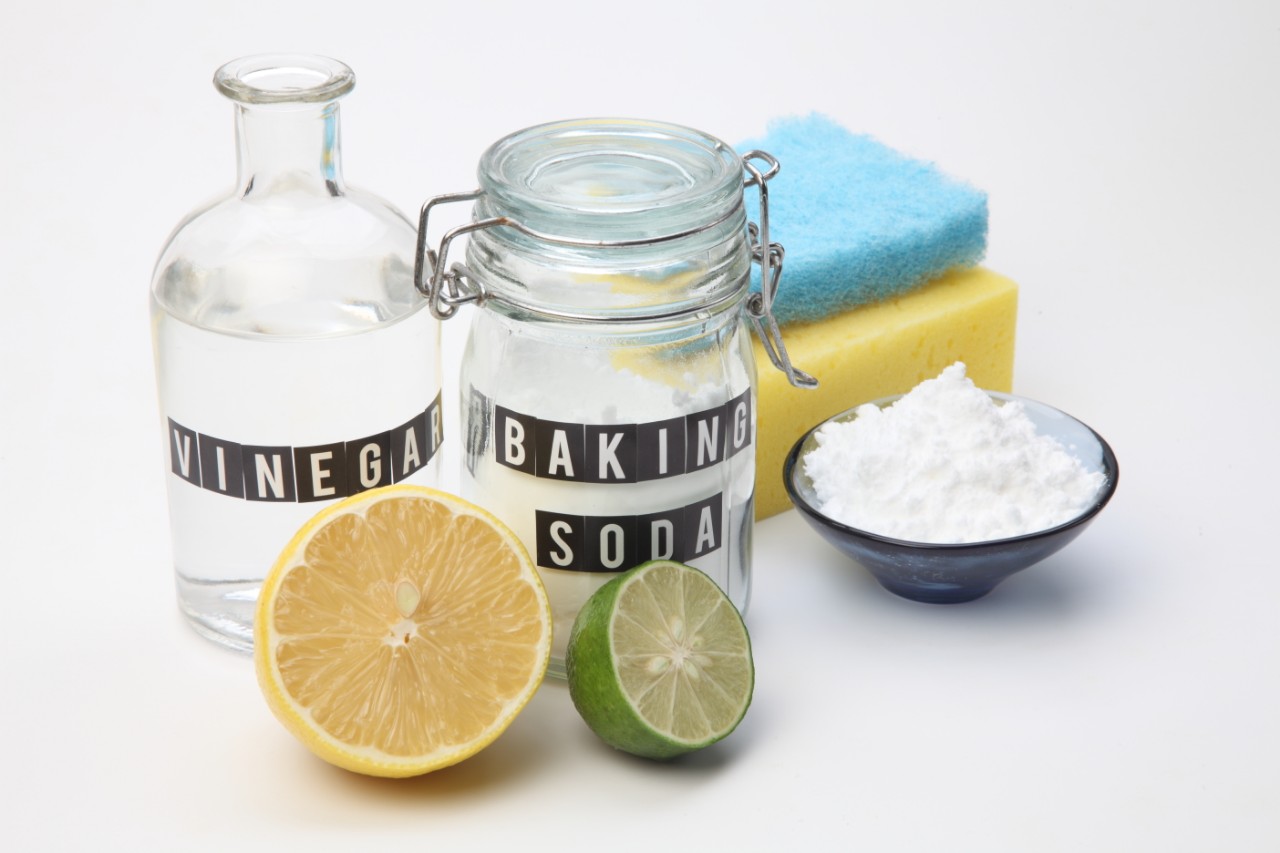
Baking soda is a mild alkali that helps to neutralize acidity in your septic tank. It can also help to control odors. Pour a box of baking soda down your toilet every few months to help deodorize and maintain the pH balance of your septic tank.

3. Vinegar

Vinegar is another effective natural cleaner that can be used to deodorize and clean your septic system. It works by breaking down grease and other organic materials that contribute to sludge build-up. Pour a gallon of white vinegar down your toilet every few months to help neutralize odors and clean the tank.

4. Epsom Salt

Epsom salt can help to prevent sludge buildup and improve the efficiency of your septic tank. The magnesium sulfate in Epsom salt helps to break down organic waste and keep the tank's solids from clumping together. Add 1 cup of Epsom salt to your septic tank every few months to help maintain a healthy environment.

5. Activated Charcoal

Activated charcoal is a highly absorbent material that can help to remove impurities and odors from your septic tank. Pour a cup of activated charcoal down your toilet every few months to help control odors and keep your tank clean.

Tips for Maintaining a Clean Septic Tank

  • Avoid Flushing Non-Biodegradable Items: Things like wipes, paper towels, and feminine hygiene products can clog your system and lead to backups.
  • Minimize Grease and Oil: Grease and oil can solidify in your septic tank, leading to clogs. Dispose of these materials properly and avoid pouring them down the drain.
  • Use a Septic Safe Laundry Detergent: Conventional laundry detergents contain chemicals that can harm your septic tank. Use a septic-safe detergent that is biodegradable and gentle on your system.
  • Don't Over-Water Your Lawn: Excessive watering can overload your septic tank and lead to backups. Water your lawn only as needed.
  • Regular Inspections and Maintenance: Have your septic tank inspected and pumped every 3-5 years, or more often if you have a large family or use your septic system frequently.

By following these tips and using natural products for maintenance, you can keep your septic system running smoothly and efficiently for years to come. Remember, prevention is key to avoiding costly septic tank problems.

Share:

Search This Blog

Powered by Blogger.

Pages

Featured post

The DIY Fix That Worked Wonders for My Septic Tank Smell

Banishing the Bog: My DIY Septic Tank Smell Solution Okay, folks, let's talk about something nobody really *wants* to talk about: se...

Blog Archive