


The Mystery of the Nighttime Septic Tank Smell: A Guide to Solving the Stink
Ugh, that smell! You know the one. It's like a bad dream, creeping into your home after the sun goes down, leaving you gagging and wondering what in the world is going on. If you're experiencing a septic tank smell that seems to only appear at night, you're not alone. This perplexing phenomenon has plagued many homeowners, but there's no need to panic! Let's dive into the potential causes and how to conquer that stinky situation.
Why Does My Septic Tank Smell at Night?
Think of your septic system as a mini ecosystem. It's a delicate balance of bacteria and solids breaking down in a tank, and when that balance gets thrown off, things can get, well, smelly.
The Nighttime Factor: Temperature and Air Pressure
One of the key suspects in the nighttime septic smell mystery is temperature. During the day, the air is warmer, allowing odor molecules to dissipate faster. But as temperatures cool down at night, the air becomes denser, making it harder for those smells to escape. This can trap them close to the ground, leading to that unfortunate waft of stench that makes you want to hold your breath.
Another factor is air pressure. As temperatures decrease, air pressure can drop, creating a slight vacuum effect. This can draw gases from your septic system out of the vent pipe, bringing those unwelcome odors right to your nose.
Other Potential Culprits
But it's not just temperature and air pressure at play. Here are some other reasons why your septic tank might be unleashing its funky fragrance:
- Overloading: If you've been having lots of guests lately or have a large family, your septic tank could be overloaded, leading to a backup of solids and a buildup of smelly gases.
- Clogged Vent Pipe: The vent pipe on your septic system is crucial for releasing gases. If it's clogged with debris like leaves, twigs, or even bird nests, those gases have nowhere to go but back into your house.
- Broken or Leaky Pipes: If your septic system has any cracks or leaks, those smelly gases can escape and seep into the soil, potentially finding their way into your home.
- Low Water Level in the Tank: If the water level in your septic tank is too low, the solids can get exposed to the air, releasing more odors.
- Tree Roots: Tree roots can grow into your septic system, damaging pipes and creating pathways for gases to escape.
- Outdated System: If your septic system is old or not properly designed, it might not be able to handle the workload, leading to problems like backups and odors.
How to Tackle Those Smells: A Step-by-Step Guide
Now that you know the potential culprits, let's get down to business and tackle those smells!
1. Inspect Your Vent Pipe
Your vent pipe is your first line of defense against smelly invaders. Start by inspecting it for any blockages. Climb up to the roof and check if there's anything obstructing the pipe. Look for leaves, twigs, or any other debris that could be hindering the free flow of gases. If you find anything, carefully remove it.
2. Check for Leaks and Cracks
Take a walk around your property and carefully inspect your septic system. Look for any signs of cracks, leaks, or damage to the pipes. If you spot any problems, you'll need to call a qualified plumber to fix them promptly. A small leak can quickly become a big problem, and it's better to address it sooner rather than later.
3. Maintain Water Level
Keep an eye on the water level in your septic tank. It should be around halfway full. If it's too low, it can expose solids to the air, leading to odor problems. If you need to add more water to the tank, use the "grey water" from your washing machine. Just run the washing machine with a load of clothes, and then let the water flow into the septic tank. This will help to replenish the water level.
4. Avoid Overloading the System
Try to avoid putting excessive amounts of waste into your septic system. This means being mindful of what you flush down the toilet and what you pour down the drains. For example, avoid flushing things like baby wipes, paper towels, and food scraps. These items can clog your septic system and create a breeding ground for bacteria that produce those stinky gases.
5. Don't Forget About the Grease!
Grease can be a real pain when it comes to septic systems. It can build up in your pipes and eventually cause clogs. To help prevent this, make sure to cool any grease before pouring it down the drain. You can pour it into a container and put it in the refrigerator to cool it down. Then, when it's cooled, you can pour it into the trash. You can also use a grease trap in your kitchen sink to help prevent grease from going down the drain.
6. Keep Your Landscaping in Check
Tree roots are notorious for wreaking havoc on septic systems, so keep your landscaping in check. Avoid planting trees too close to your septic system, and be sure to trim any branches that are close to the pipes. If you have any large trees on your property, you may want to consider having a tree service come out to inspect them to make sure they're not growing into your septic system.
7. Consider a Septic Tank Treatment
Sometimes, even with the best care and maintenance, your septic tank might need a little extra help. Septic tank treatments are available at most home improvement stores and can help to break down solids and reduce odors. These treatments typically come in liquid form, which you simply pour into your septic tank. Follow the instructions on the product label for the best results. You can also ask a plumber or septic tank service for advice on choosing a treatment that is right for your system. It’s always a good idea to check with your local environmental agency before using any septic tank additives to be sure they are permitted in your area.8. Call in the Professionals
If all else fails, it's time to call in the pros. A qualified plumber or septic tank service can inspect your system and diagnose the problem. They can also recommend solutions, such as replacing damaged pipes or repairing a broken vent pipe. If your septic system is old or outdated, they may recommend a complete replacement. This is a big job, but it's important to remember that a new septic system will give you peace of mind for many years to come.
The Importance of Regular Maintenance
The best way to avoid those pesky nighttime smells is to proactively maintain your septic system. This includes:
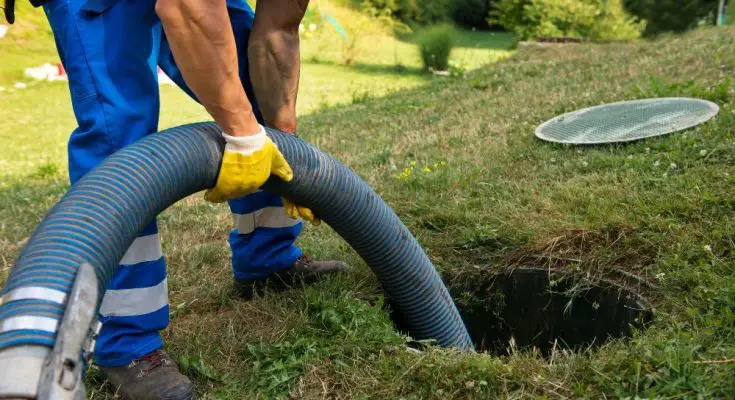
- Pumping Regularly: Your septic tank should be pumped out every 3-5 years. The frequency will depend on the size of your tank and the amount of waste it receives. If your tank is not pumped regularly, it can become overloaded and cause backups and odors.
- Inspecting the System: Have your septic system inspected at least once a year. This will help to identify any problems early on, before they become major issues. A qualified plumber or septic tank service can perform this inspection for you.
- Treating the System: Consider using septic tank treatments on a regular basis to help keep your system clean and odor-free. Follow the instructions on the product label carefully.
Remember, a well-maintained septic system is a happy septic system. By following these tips, you can help to keep your septic tank running smoothly and prevent those unpleasant nighttime odors. And if you do find yourself dealing with a septic tank smell, don't despair. With a little effort and the right solutions, you can conquer that stinky situation and enjoy a peaceful night's sleep again.
0 comments:
Post a Comment
Note: Only a member of this blog may post a comment.