


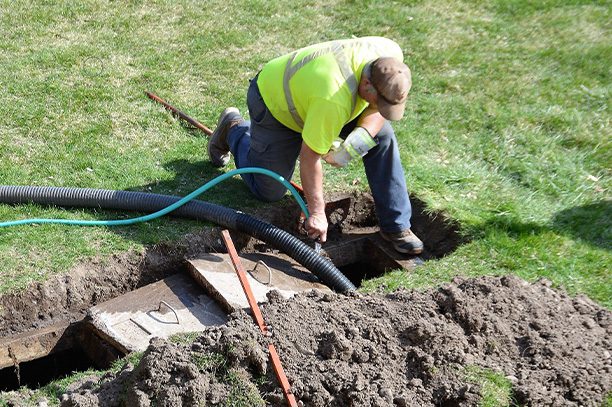
How to Fix Septic Tank Odor Problems Outside for Good
A septic system is a vital component of any home that is not connected to a public sewer system. It is responsible for treating and disposing of wastewater from your home, including sewage, greywater, and stormwater. While a properly functioning septic system is typically odorless, unpleasant odors can arise from a variety of issues.
Septic tank odors outside can be a source of embarrassment and discomfort. They can also be a sign of underlying problems with your septic system. If you are experiencing septic tank odors, it is important to take action to address the issue promptly. This article will guide you through the process of identifying the source of the odor, understanding its implications, and implementing solutions for lasting relief.
Understanding the Source of the Odor
The first step to resolving septic tank odors is to identify the source. The most common culprits include:
1. Septic Tank Sludge and Scum
Septic tanks are designed to separate solid waste (sludge) from liquid wastewater (effluent). However, over time, sludge and scum accumulate at the bottom and top of the tank, respectively. When these layers become too thick, they can start to decompose and emit foul odors.
2. Leaking Septic Tank or Drainfield
Cracks, corrosion, or improper installation can cause leaks in the septic tank or drainfield. These leaks can release wastewater and associated odors into the surrounding soil and air.
3. Overloading the System
Using excessive amounts of water or improper disposal of certain substances can overload the septic system. This can cause wastewater to back up into the tank, leading to odor problems.
4. Blocked Drainfield Lines
The drainfield is a series of trenches filled with gravel and perforated pipes that allow treated wastewater to slowly filter into the soil. If these lines become blocked by roots, debris, or excessive sediment, it can hinder proper drainage and create odors.
5. Improper Vent System
Every septic tank has a vent pipe that releases gases from the tank into the atmosphere. A blocked vent can create pressure inside the tank, forcing wastewater and odors up through other openings like floor drains or toilets.
Potential Consequences of Septic Tank Odors
Septic tank odors are not just an annoyance; they can also be a sign of serious issues. If left unaddressed, they could:
- Indicate a malfunctioning septic system that requires immediate attention.
- Compromise the health and safety of your family and pets through exposure to harmful bacteria and pathogens.
- Reduce property value due to the perceived risk of septic system failure.
- Contribute to groundwater contamination and environmental pollution.
Solutions to Eliminate Septic Tank Odors
The best way to fix septic tank odor problems outside for good is to address the root cause. Here are some strategies:
1. Regular Maintenance and Pumping
One of the most effective ways to prevent odors is through regular maintenance. Schedule a professional septic tank pumping every 3-5 years, or more frequently if you have a large family or use a lot of water. This will remove accumulated sludge and scum, ensuring optimal performance and minimizing odor production.
2. Inspecting for Leaks
A thorough inspection of your septic tank and drainfield can help detect any leaks. Professional plumbers or septic system specialists can conduct a visual inspection or use specialized equipment to identify and repair cracks, corrosion, or other damage.
3. Proper Waste Disposal
Avoid overloading your septic system by following proper waste disposal practices. This includes:
- Using water-efficient appliances and fixtures.
- Minimizing the use of harsh chemicals and cleaners.
- Avoiding flushing items like coffee grounds, grease, hair, and wipes down the drain.
- Avoiding disposing of large amounts of waste, such as construction debris or yard waste, through the septic system.
4. Addressing Drainfield Blockages
If you suspect a drainfield blockage, it is essential to have it inspected and cleaned by a qualified professional. They can use specialized equipment to remove roots, debris, and sediment from the drainfield lines.
5. Checking and Cleaning Vent System
Make sure your septic tank vent pipe is unobstructed. A professional can inspect and clean the vent to ensure proper airflow and prevent pressure buildup inside the tank.
6. Utilizing Septic Tank Additives
Certain septic tank additives can help reduce odor production by breaking down sludge and scum. These additives are available at most hardware stores and online retailers. It's essential to choose a product that is specifically designed for septic systems and to use it according to the manufacturer's instructions.
7. Planting a Septic-Friendly Landscape
Planting vegetation around your septic system can help absorb excess moisture and filter wastewater. Choose plants that are known to be septic-friendly, such as native grasses, shrubs, and trees with deep root systems. Avoid planting large trees or shrubs directly over the drainfield, as their roots could penetrate the pipes and cause blockages.
Conclusion
Septic tank odors outside can be a significant nuisance, but they are often a sign of underlying issues with your septic system. By understanding the potential causes, potential consequences, and available solutions, you can effectively address the problem and ensure a healthy and odor-free environment around your home. Remember that regular maintenance, proper waste disposal, and professional inspections are key to preventing septic tank odors and maintaining the long-term health of your system.
0 comments:
Post a Comment
Note: Only a member of this blog may post a comment.