


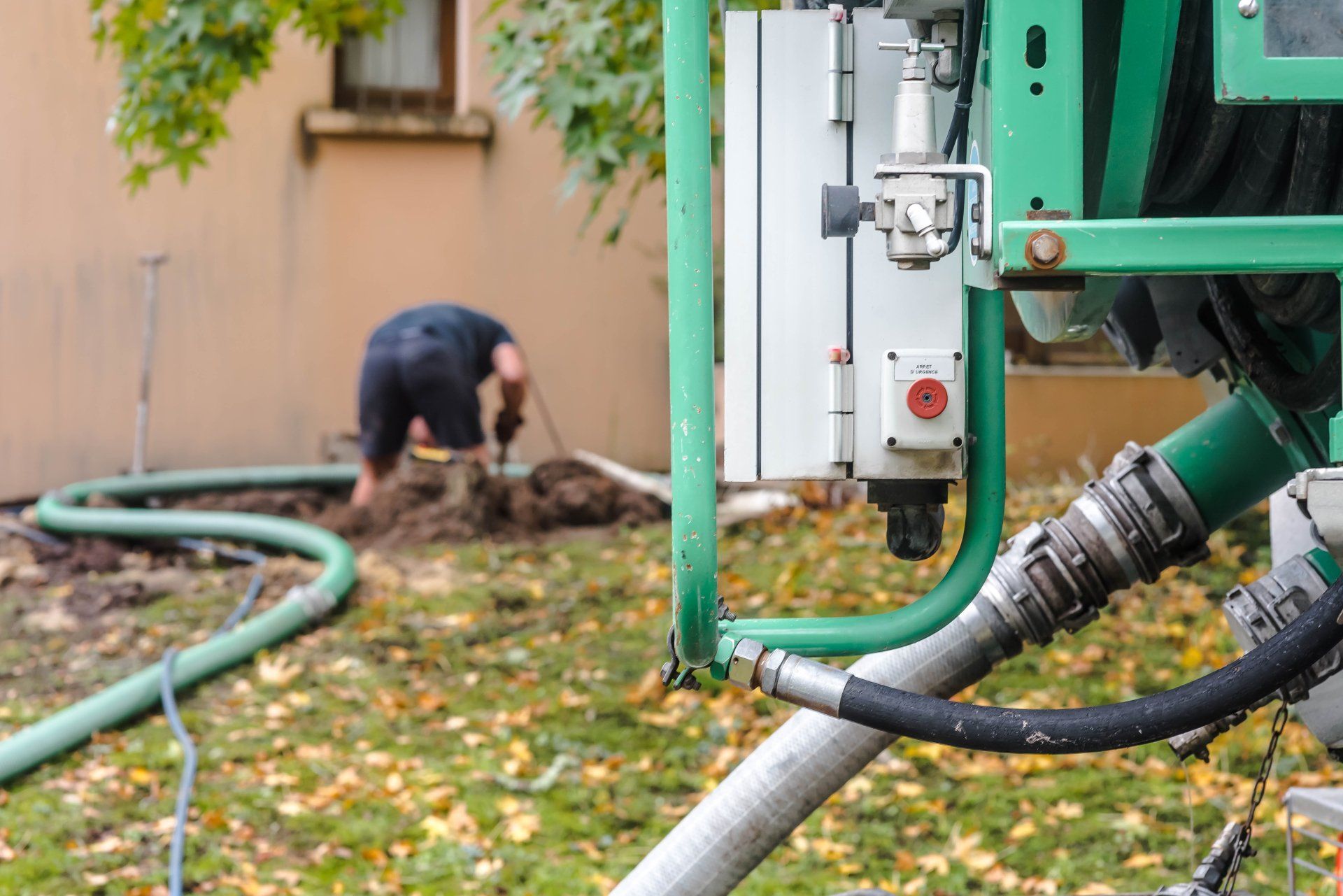
Preventing Septic Tank Odor with Proper Equipment Installation
Septic systems are essential for homes and businesses located outside of municipal sewer service areas. They provide a reliable and efficient means of wastewater treatment, but improper installation or maintenance can lead to unpleasant odors. These odors can be a source of embarrassment and discomfort, signaling potential problems within the septic system. This article will delve into the crucial role of proper equipment installation in preventing septic tank odors.
Understanding Septic System Odors
Septic system odors arise from the breakdown of organic matter in the septic tank. Bacteria decompose wastewater, releasing gases like hydrogen sulfide and methane. These gases can escape into the surrounding environment through various pathways, causing unpleasant smells.
Common Sources of Septic Tank Odors
- Venting Issues: Septic tanks require proper venting to release gases safely. If the vent stack is blocked, cracked, or improperly installed, gases can be forced out through other openings, such as the drain field or even inside the house.
- Overloading the Tank: When a septic tank becomes overloaded with waste, the solids can rise to the level of the outlet pipe, preventing proper wastewater flow. This can lead to backups and odor problems.
- Failing Drain Field: The drain field is responsible for filtering and releasing treated wastewater into the soil. A failing drain field can result in wastewater backup and odor issues.
- Improper Tank Maintenance: Regular maintenance, including pumping and inspection, is essential for a properly functioning septic system. Neglecting maintenance can lead to a buildup of sludge and scum, creating a breeding ground for odor-producing bacteria.
Proper Equipment Installation for Odor Control
The key to preventing septic tank odors lies in the proper installation of essential equipment. Here's a breakdown of critical components and their installation best practices:
Septic Tank Installation
The septic tank should be installed in a location that meets local regulations and permits. It's crucial to:
- Properly Size the Tank: The size of the tank must be appropriate for the household's needs. A tank that is too small can easily overflow, while one that is too large may be inefficient.
- Ensure Adequate Sloping: The inlet and outlet pipes should be properly sloped to facilitate gravity flow and prevent backups. The inlet pipe should be at least 1/4 inch per foot of slope, while the outlet pipe should be at least 1/8 inch per foot of slope.
- Install a Baffle System: A baffle system separates the liquid from the solid waste, promoting effective treatment and preventing solids from entering the drain field.
- Seal All Connections: All connections should be sealed tightly to prevent leakage and odor problems. The use of high-quality sealant is essential.
Septic Tank Venting
Proper ventilation is crucial for preventing odor issues. The vent stack should:
- Extend Above the Roofline: The vent stack must extend at least 6 inches above the roofline to ensure proper air circulation and prevent gases from backing up into the house.
- Use the Right Materials: The vent stack should be made of durable and corrosion-resistant materials, such as PVC or ABS plastic. Avoid using metal pipes, as they can corrode over time.
- Be Properly Supported: The vent stack should be securely supported and properly braced to prevent movement or damage.
Drain Field Installation
The drain field is responsible for filtering and releasing treated wastewater into the soil. Proper installation is critical to prevent backups and odors. Key considerations include:
- Proper Site Selection: The drain field should be located in an area with well-drained soil and adequate space. Avoid areas with shallow groundwater or dense tree roots.
- Adequate Sloping: The drain field should be properly sloped to allow for even distribution of wastewater. The slope should be at least 1/4 inch per foot.
- Use of Gravel and Pipe: The drain field typically consists of a network of perforated pipes laid in gravel. The gravel allows for efficient drainage and prevents clogging.
- Proper Distribution Box: A distribution box evenly distributes wastewater to the drain field lines. It should be properly installed and maintained.
Additional Measures to Prevent Septic Tank Odors
In addition to proper equipment installation, there are several other measures you can take to prevent septic tank odors. These include:
- Regular Maintenance: Schedule regular septic tank pumping services every 3-5 years to remove accumulated sludge and scum. This helps to ensure proper flow and prevent odor problems.
- Avoid Overloading the System: Limit the amount of waste going into the septic tank. Be mindful of using garbage disposals, as they contribute significantly to solids build-up.
- Use Septic-Safe Products: Use detergents, cleaning products, and other household chemicals that are specifically designed for use with septic systems. Avoid harsh chemicals that can damage the bacteria in the septic tank.
- Monitor for Signs of Trouble: Be aware of any changes in the flow of wastewater, unusual noises from the septic tank, or lingering odors. These could be early indicators of potential problems that need attention.
Conclusion
Septic tank odors can be a major inconvenience and a source of embarrassment. However, they can be effectively prevented through proper equipment installation and maintenance. By following the best practices outlined in this article, homeowners and business owners can ensure their septic systems operate efficiently and odor-free. Remember, regular maintenance and vigilance are crucial to maintaining a healthy and well-functioning septic system. A little preventive care goes a long way in avoiding unpleasant odors and ensuring the longevity of your septic system.
0 comments:
Post a Comment
Note: Only a member of this blog may post a comment.