


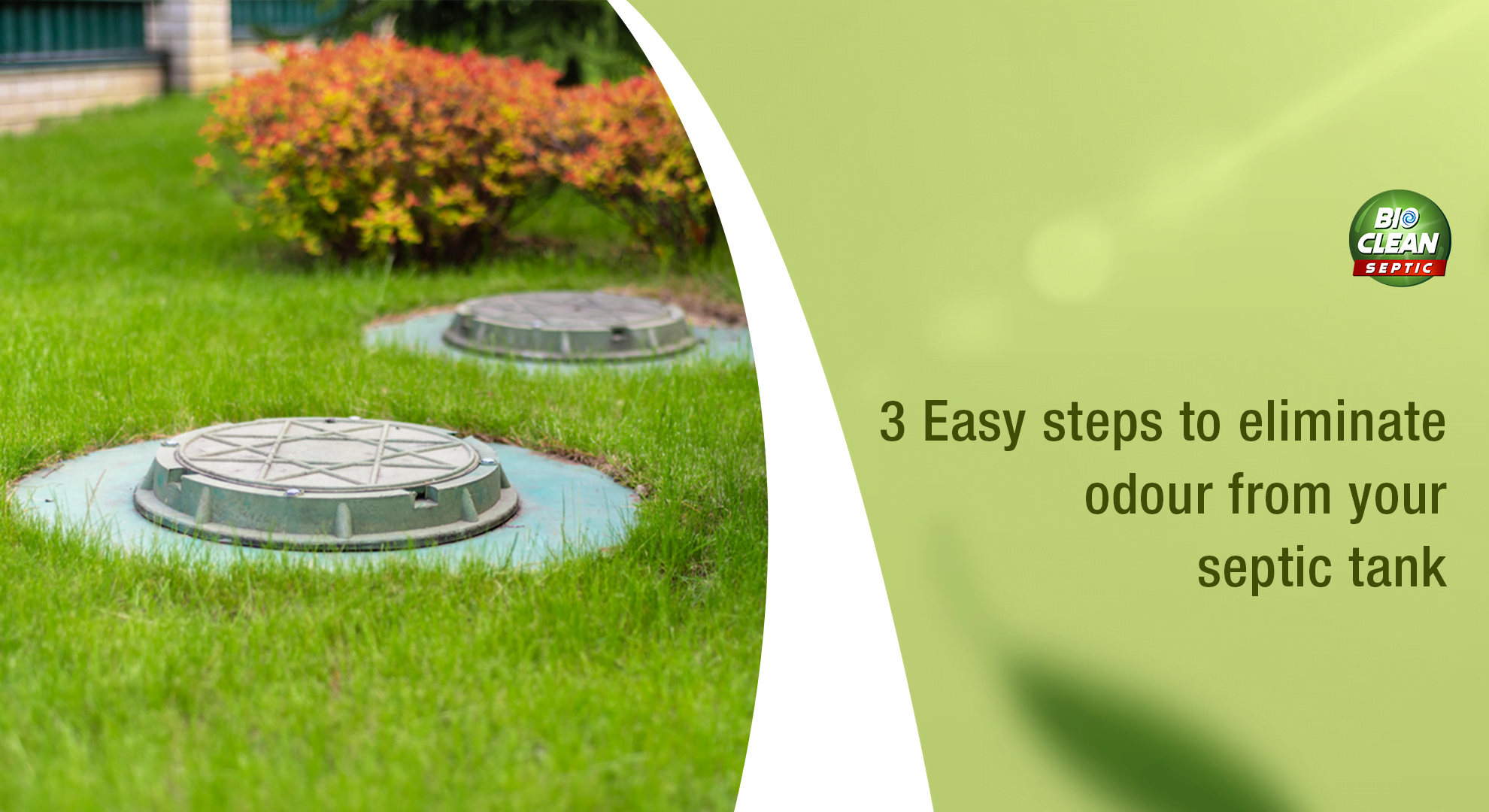
Effective Ways to Eliminate Septic Tank Odors Naturally
Unpleasant odors emanating from a septic system are not only bothersome but can also indicate underlying issues requiring immediate attention. While chemical solutions exist, many homeowners prefer natural methods to mitigate septic tank odors, prioritizing environmental friendliness and family health. This article explores effective, natural strategies for eliminating and preventing these offensive smells, focusing on proactive maintenance and addressing potential sources of the problem.
Understanding the Source of Septic Tank Odors
Before implementing any odor-elimination strategy, it's crucial to understand the source of the problem. Septic tank odors typically arise from a disruption in the natural biological processes within the system. These processes rely on beneficial bacteria to break down waste effectively. When this balance is disturbed, the resulting gases, including hydrogen sulfide (responsible for the characteristic "rotten egg" smell), can escape and permeate the surrounding environment.
Common Causes of Septic Tank Odor Problems
- Insufficient bacterial activity: An imbalance in the bacterial population, often due to the introduction of harmful chemicals or insufficient food for the bacteria, leads to incomplete waste breakdown and increased odor production.
- Overloading the system: Exceeding the septic tank's capacity through excessive water usage or improper disposal of certain waste materials strains the system, leading to backups and odor release.
- Clogged drain lines or vents: Blockages within the system impede the flow of wastewater and gases, causing pressure buildup and the release of foul odors.
- Improper septic tank maintenance: Neglecting routine maintenance, such as pumping, inspection, and cleaning, allows solids to accumulate, slowing down the decomposition process and releasing gases.
- Cracked or damaged components: Leaks in the tank or pipes allow sewage to seep into the surrounding soil, releasing odors and potentially contaminating groundwater.
- Dry septic system: A prolonged period without sufficient water inflow can result in the accumulation of solids and a decrease in bacterial activity, leading to odors.
Natural Methods for Eliminating Septic Tank Odors
Addressing septic tank odors naturally involves a multi-pronged approach, focusing on restoring the biological balance within the system, maintaining proper drainage, and preventing future issues. The following strategies offer effective and environmentally sound solutions:
Enhancing Bacterial Activity
Beneficial bacteria are essential for the proper functioning of a septic system. Introducing bacterial supplements specifically designed for septic tanks can significantly improve the breakdown of waste, reducing the production of foul-smelling gases. These supplements are readily available at most home improvement stores and are generally safe for both the environment and the septic system.
Maintaining Proper Drainage
Ensuring efficient drainage is paramount in preventing septic tank odors. Regularly checking for and removing clogs in drain lines is crucial. Avoid flushing items such as sanitary wipes, paper towels, and excessive amounts of grease down the toilet, as these can contribute to blockages. Regular inspection of the drain field is also recommended to detect any signs of clogging or standing water.
Aerating the System
Proper ventilation is vital for preventing the buildup of gases within the septic system. Ensure that the vent pipe, typically extending from the septic tank to the exterior of the house, is unobstructed and functioning correctly. A clogged vent pipe traps gases, causing them to back up and escape through other openings, leading to odor problems. Regular inspection and cleaning of the vent pipe can prevent this issue.
Using Natural Odor Absorbers
While not addressing the root cause, natural odor absorbers can temporarily mask unpleasant smells. Baking soda, a readily available and inexpensive household item, is a powerful odor neutralizer. Sprinkling baking soda around the septic tank lid or in areas where odors are prevalent can temporarily absorb and neutralize foul smells. Activated charcoal, another effective natural odor absorber, can be used similarly. It's important to note that these methods only address the symptom, not the underlying problem; addressing the root cause is crucial for long-term odor control.
Improving Soil Drainage Around the Septic System
Poor soil drainage can contribute to septic system issues. If the soil surrounding the drain field is consistently waterlogged, it can impair the system's ability to process waste effectively. Improving soil drainage through methods such as creating a berm or adding gravel around the system can improve performance and reduce odor problems. Consulting a septic system professional is advised to determine the best approach for your specific situation.
Preventive Measures for Long-Term Odor Control
Proactive measures are crucial in preventing septic tank odor problems. Regular maintenance is the cornerstone of a well-functioning and odor-free septic system.
Regular Pumping and Inspection
Septic tanks require periodic pumping to remove accumulated solids and sludge. The frequency depends on factors such as household size and water usage, but a general guideline is to have the tank pumped every 3-5 years. Regular inspections by a qualified professional can identify potential problems early, preventing more serious and costly repairs.
Careful Waste Disposal Practices
Avoid flushing items that don't readily break down, such as sanitary wipes, feminine hygiene products, and excessive amounts of grease or oil. These can clog pipes, disrupt the biological processes within the tank, and contribute to odor problems. Similarly, minimize the use of harsh chemicals, as these can kill beneficial bacteria and disrupt the system's delicate balance.
Water Conservation
Conserving water reduces the load on the septic system, preventing overloading and potential backups. Simple measures such as shorter showers, fixing leaky faucets, and using water-efficient appliances can significantly contribute to a healthier septic system and reduce the risk of odor issues.
When to Seek Professional Help
While many septic tank odor problems can be addressed through natural methods and preventative maintenance, some issues require professional intervention. If odors persist despite your efforts, or if you experience other signs of septic system malfunction, such as slow drains, backups, or sewage surfacing in the yard, it’s crucial to contact a qualified septic system professional. They can diagnose the problem accurately and recommend the appropriate solution, preventing more significant damage and ensuring the long-term health of your septic system.
By implementing these natural methods and following preventative measures, homeowners can significantly reduce the occurrence of septic tank odors and maintain a clean, healthy, and environmentally friendly septic system for years to come.
0 comments:
Post a Comment
Note: Only a member of this blog may post a comment.