


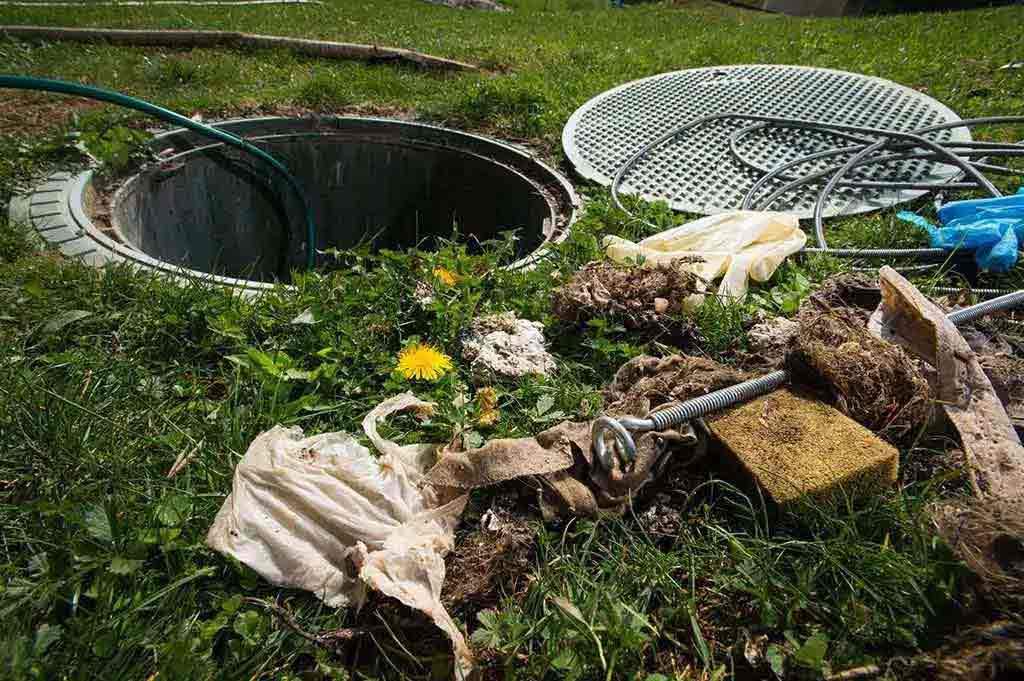
Septic Tank Smells Outside: What Homeowners Should Know
A septic tank is a vital part of a home's plumbing system, effectively treating wastewater before it's released into the environment. However, issues can arise, and one common sign of trouble is an unpleasant odor emanating from the septic system's exterior. This article will delve into the possible causes of septic tank smells and equip you with the knowledge to address the issue effectively.
Understanding the Source of the Odor
Before you start troubleshooting, it's essential to identify the source of the odor. Is it coming from the septic tank itself, the drain field, or a specific area near the system? Pinpointing the location will help you narrow down the potential causes and determine the appropriate course of action.
Common Causes of Septic Tank Odors
Here are some of the most common reasons why your septic system might be emitting unpleasant smells:
1. Septic Tank Overflow
If your septic tank is overloaded, wastewater can back up and create a foul odor. This can occur due to excessive water usage, a malfunctioning pump, or a blocked outlet pipe.
2. Drain Field Issues
The drain field, responsible for filtering the treated wastewater, can become clogged due to various factors, including:
- Roots from trees or shrubs infiltrating the field
- Accumulation of solid waste
- Improper grading or compaction of the soil
3. Leaking Pipes
Cracks or holes in the septic tank or the pipes connecting it to the drain field can allow wastewater to leak out, emitting an unpleasant smell.
4. Overloading the System
Using excessive amounts of water, particularly for activities like laundry, dishwashing, and bathing, can overwhelm the septic system's capacity. This can lead to a buildup of wastewater and foul odor.
5. Improper Maintenance
Regular maintenance, such as pumping out the septic tank every 3-5 years, is crucial for maintaining its efficiency. Neglecting maintenance can cause sludge and scum to accumulate, creating a breeding ground for bacteria and contributing to odor.
Addressing Septic Tank Odors
Once you've identified the cause of the odor, you can take appropriate steps to address the issue. Here are some general recommendations:
1. Reduce Water Usage
Adjust your water consumption habits to minimize the strain on your septic system. Consider shorter showers, efficient laundry practices, and avoiding unnecessary water usage.
2. Avoid Certain Waste Products
Avoid flushing down the toilet anything that can clog the system, including:
- Disposable wipes
- Paper towels
- Grease and oil
- Feminine hygiene products
3. Regular Maintenance
Schedule regular septic tank pumping and inspections to prevent buildup and ensure optimal performance. Your local septic service can advise you on the appropriate frequency for your system.
4. Repair Leaks
If you suspect a leak in the septic tank or connecting pipes, contact a qualified plumber or septic professional for immediate repair.
5. Consider Adding a Septic System Odor Control System
Specialized odor control systems, such as activated carbon filters, can help neutralize unpleasant smells. Consult a professional for installation and maintenance.
Call a Professional
If you're dealing with a persistent septic tank odor, it's best to contact a qualified septic service professional for inspection and repair. They can accurately identify the source of the issue and recommend the most effective solutions.
0 comments:
Post a Comment
Note: Only a member of this blog may post a comment.