


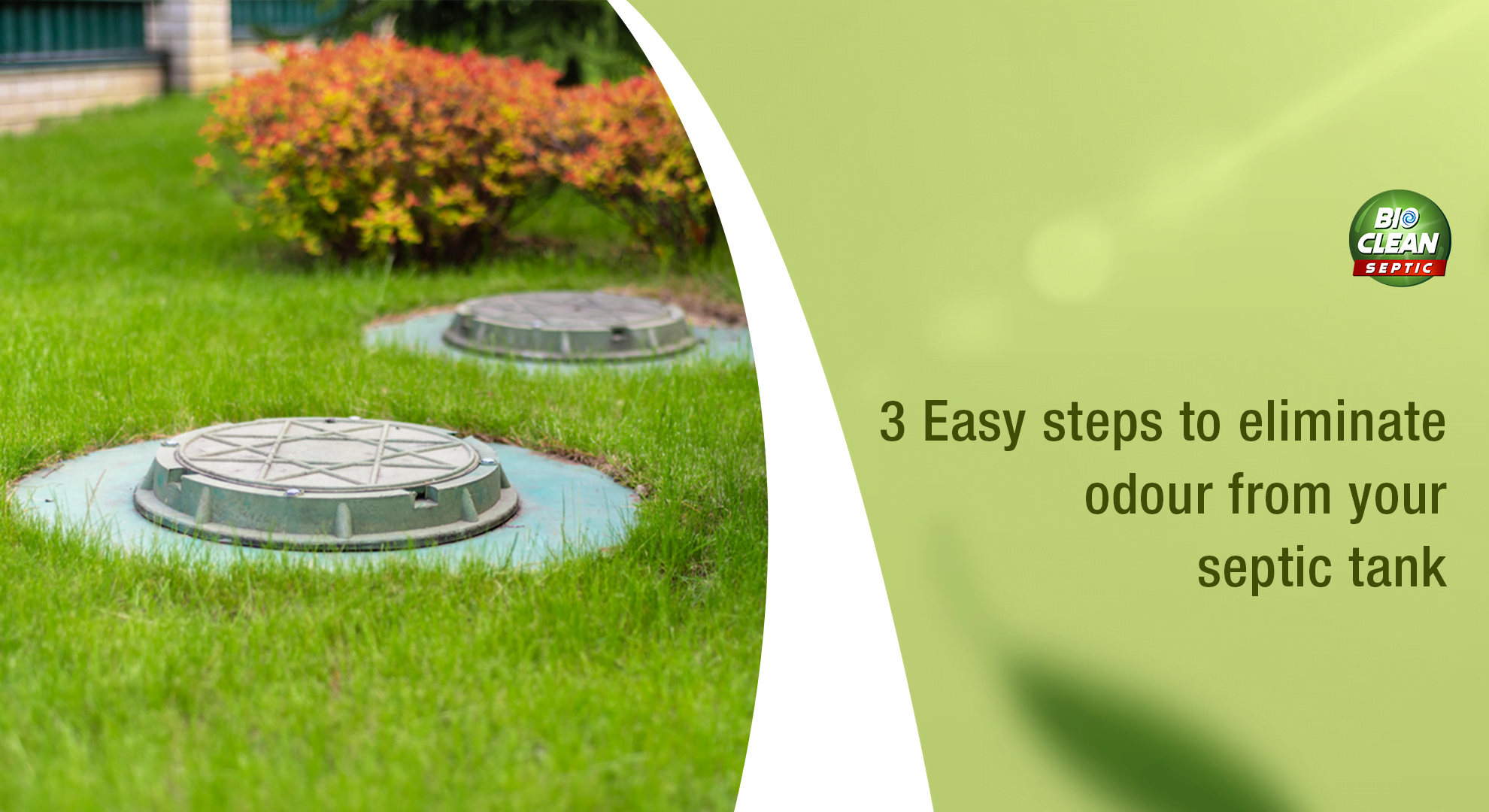
How to Eliminate Septic Tank Smell in Your Home with Easy-to-Find Ingredients
Let's be real, a septic tank smell is never a good sign. It's like a little olfactory slap in the face, reminding you that something's not quite right with your plumbing. And if you're like most people, you probably want to get rid of that nasty smell fast! Don't worry, you don't need to call a plumber right away. There are some easy, budget-friendly solutions you can try first. These are often effective and won't break the bank. So grab your cleaning supplies, roll up your sleeves, and let's tackle this stinky situation together!
Understanding the Source: Why Does My Home Smell Like Septic?
Before we jump into the solutions, let's get a little bit scientific. The culprit behind that awful septic smell is usually hydrogen sulfide gas, a byproduct of bacteria breaking down waste in your septic tank. This gas can escape through cracks in your system or even your drainpipes, finding its way into your home.
Sometimes, the smell might not be coming directly from the tank itself. Here are a few other possibilities:
- Dry septic tank: A tank that's too dry (not enough water to keep the solids submerged) can allow gases to escape more easily.
- Overloaded septic tank: If your tank is full, the bacteria have less space to work and might start releasing more gas.
- Blocked drain field: The drain field is the area where treated water leaves your septic tank. If it's clogged, it can put pressure on the system and force gas back up into your home.
DIY Solutions to Eliminate Septic Tank Smell
Now that we understand the source of the problem, let's get into some practical solutions to eliminate that septic tank smell:
1. The Power of Baking Soda and Vinegar
This classic duo is a fantastic odor neutralizer. It's a natural deodorizer, and the vinegar helps to break down grease and grime that might be contributing to the smell.
Here's what to do:
- Pour 1 cup of baking soda down the drain you suspect is causing the problem.
- Follow it up with 1 cup of white vinegar.
- Let the mixture sit for 30 minutes, then flush the drain with hot water.
Repeat this treatment every few weeks for optimal results.
2. The "Magic" of Bleach
Bleach is another powerful disinfectant that can help neutralize odors.
Caution: Always use bleach with care, as it can damage certain materials.
Here's how to use bleach:
- Pour 1 cup of bleach down the drain.
- Let it sit for at least 30 minutes.
- Flush the drain with plenty of hot water.
Repeat this treatment every few months, or more often if needed.
3. The Scent-Sational Citrus
Citrus fruits are known for their fresh, natural scent, making them a great way to mask septic smells.
Here are a few citrus solutions:
- Citrus peel: Drop orange or lemon peels down the drain.
- Citrus cleaning solution: Combine equal parts water and lemon juice or orange juice in a spray bottle. Spray the solution around the affected areas, including the drain.
- Citrus essential oil: Add a few drops of lemon or orange essential oil to a bowl of hot water and let it sit in the affected room to help neutralize the odor.
4. The Power of Ventilation
Sometimes, simply improving air circulation can make a big difference.
Here are a few ventilation tips:
- Open windows: Open windows and doors in the affected area to allow fresh air to circulate.
- Use fans: Turn on exhaust fans in the bathroom and kitchen, especially after showering or cooking.
5. Keep Your Septic Tank Healthy
A healthy septic tank is less likely to produce unpleasant smells.
Here are some tips for keeping your tank in tip-top shape:
- Avoid overloading: Be mindful of the amount of waste going into your system. Avoid using a garbage disposal if possible.
- Regular inspections and maintenance: Have your septic tank pumped and inspected every 3-5 years. This helps to prevent buildup and ensure the system is working properly.
- Use septic tank additives: Products like bacteria and enzyme additives can help to break down waste and keep your tank running smoothly.
When to Call a Professional
If the odor persists despite trying these DIY solutions, it's time to call a professional. A plumber can inspect your system, identify any problems, and recommend solutions. Here are a few signs that you need professional help:
- The smell is strong and persistent, despite your efforts.
- You notice other signs of septic system failure, like slow drains, gurgling noises, or water backing up.
- You're unsure about the age or condition of your septic system.
Preventing Septic Tank Smells
The best way to deal with a septic tank smell is to prevent it from happening in the first place! Here are some tips to keep your system happy and odor-free:
- Flush wisely: Avoid flushing anything other than toilet paper and human waste down the toilet. This includes wipes, paper towels, and feminine hygiene products.
- Be careful with chemicals: Limit the use of harsh chemicals, like bleach and drain cleaners, in your system. These can harm the beneficial bacteria in your septic tank.
- Maintain your lawn: Keep your lawn healthy and free of heavy foot traffic around the septic tank area. This helps to prevent overloading the system.
By following these tips, you can keep your septic system in good working order and avoid those pesky odors. Remember, a little bit of prevention goes a long way!
0 comments:
Post a Comment
Note: Only a member of this blog may post a comment.