


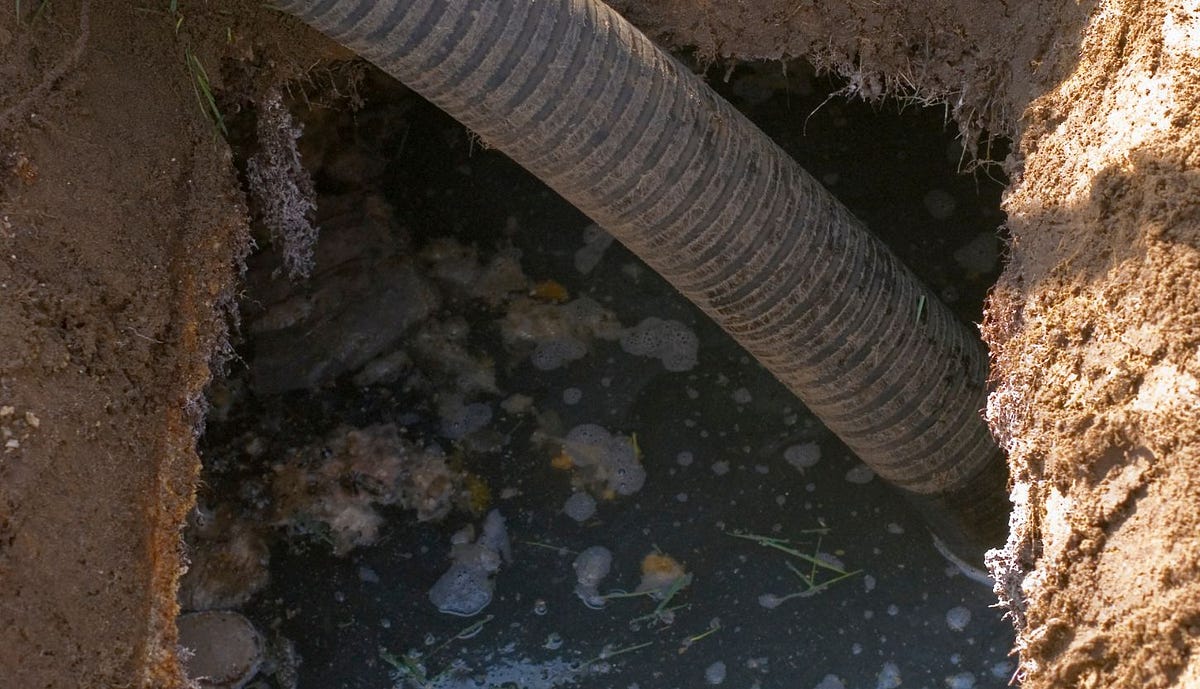
How to Fix Septic Tank Odors in Your House and Yard
The unmistakable odor of sewage can be a source of embarrassment and discomfort, especially when it emanates from your own home or yard. While a properly functioning septic system should operate odorlessly, various factors can contribute to unpleasant smells, affecting your quality of life and potentially indicating a problem with your system. This article will delve into the common causes of septic tank odors and provide comprehensive solutions to eliminate them, restoring a pleasant environment in your home and yard.
Causes of Septic Tank Odors
Septic tank odors arise from the breakdown of organic waste by bacteria, releasing volatile sulfur compounds responsible for the unpleasant smell. These odors can escape into your home and yard through various pathways:
1. System Overload
Exceeding your septic system's capacity can lead to backups and odors. This occurs when too much waste enters the tank, disrupting the balance of bacteria and causing the tank to overflow.
2. Improper Venting
A properly functioning vent system allows gases produced during the decomposition process to escape safely into the atmosphere. A blocked or damaged vent can trap these gases, causing them to back up into your home or yard.
3. Leach Field Issues
The leach field, responsible for filtering the wastewater from the septic tank, can become clogged with debris or impacted by poor drainage. This blockage can prevent proper drainage and lead to wastewater backing up, causing odors.
4. Aging or Damaged Components
Over time, components of your septic system, such as the tank, drain lines, or leach field, can deteriorate or become damaged. These issues can create leaks and allow foul-smelling gases to escape.
5. Poor Maintenance
Regular maintenance is crucial for the proper functioning of your septic system. Neglecting maintenance can lead to the buildup of sludge and scum in the tank, disrupting the bacterial activity and causing odors.
Addressing Septic Tank Odors
Once you identify the source of the odor, you can take targeted steps to eliminate it. Here's a comprehensive approach:
1. Identify the Source
Carefully inspect your home and yard for the source of the odor. Pay attention to areas like the bathroom, kitchen, and laundry room, as well as areas near the septic tank or leach field.
2. Inspect the Vent System
Check the vent pipe for any blockages or damage. Look for signs of bird nests, debris, or corrosion. Consider cleaning or replacing the vent pipe if necessary.
3. Verify Leach Field Drainage
Inspect the leach field for signs of poor drainage. Look for standing water or areas where the ground appears soggy or saturated. Consult a professional if you suspect a drainage issue.
4. Maintain Your System
Regularly pump out your septic tank, typically every 2-3 years, to prevent the buildup of sludge and scum. You can also use septic tank additives to promote bacterial activity and reduce odor.
5. Limit Waste
Reduce the amount of waste entering your septic system by limiting the use of disposable wipes, excessive amounts of bleach, and other products that can harm the bacteria.
6. Plumbing Repairs
If you suspect leaking pipes or other plumbing issues, have them repaired promptly. Leaky pipes can introduce wastewater into your home, causing odors and potential health hazards.
7. Professional Inspection
If the odor persists or you suspect a serious problem with your septic system, consult a qualified septic tank professional. They can inspect your system thoroughly, identify any underlying issues, and recommend appropriate solutions.
Tips for Odor Control
While addressing the root cause of the odor is essential, you can also use these tips to minimize the smell in the meantime:
- Flush with Water: After each use, flush the toilet with water to help carry away odors.
- Use Baking Soda: Sprinkle baking soda in drains and toilets to absorb odors and deodorize the area.
- Ventilate: Open windows and doors to improve ventilation and allow fresh air to circulate, displacing stale air with odors.
- Air Fresheners: Consider using air fresheners, but avoid using products that contain harsh chemicals that can harm your septic system.
- Neutralizing Agents: Some commercially available products can neutralize odors from septic tanks. Follow the instructions carefully.
Preventing Future Odors
Once you've addressed the source of the odor, follow these preventive measures to avoid future problems:
- Regular Maintenance: Schedule regular septic tank pumping and inspections to ensure your system is functioning properly.
- Water Conservation: Use water-saving fixtures and appliances to reduce the amount of wastewater entering your septic system.
- Proper Waste Disposal: Avoid flushing items such as wipes, paper towels, and sanitary products down the toilet. They can clog your pipes and disrupt the septic system.
- Landscaping: Avoid planting trees or shrubs near the leach field, as their roots can penetrate the system and disrupt drainage.
- Professional Guidance: Consult with a septic system professional for guidance on proper maintenance practices and any specific needs for your system.
Addressing septic tank odors requires a combination of identifying the source, implementing appropriate solutions, and practicing preventive measures. By taking these steps, you can eliminate unpleasant smells and maintain a healthy and comfortable environment in your home and yard.
0 comments:
Post a Comment
Note: Only a member of this blog may post a comment.