


Maintaining a Clean Septic Tank with Natural Products
Septic tanks are essential for homes that don't have access to a public sewer system. They handle wastewater from toilets, sinks, and showers, breaking it down into solids and liquids. While septic systems are designed to be self-cleaning, they require occasional maintenance to prevent backups and costly repairs. Many commercial septic tank cleaners contain harsh chemicals that can damage your system and pollute the environment. Fortunately, you can keep your septic tank running smoothly using natural, eco-friendly solutions.
The Benefits of Natural Septic Tank Maintenance
Using natural products for septic tank maintenance offers several advantages:
- Environmentally Friendly: Natural products are biodegradable and won't harm the environment. They won't contaminate groundwater or harm wildlife.
- Safer for Your System: Harsh chemicals can damage your septic tank's components, leading to leaks and costly repairs. Natural solutions are gentle on your system, extending its lifespan.
- Cost-Effective: Natural products are often cheaper than commercial cleaners, saving you money in the long run.
Natural Products for Septic Tank Maintenance
Here are some effective natural products you can use to keep your septic tank clean and functioning efficiently:
1. Yeast
Yeast is a powerful natural bacteria that can break down organic waste in your septic tank. It helps to reduce sludge build-up and improve the overall efficiency of your system. Add a packet of active dry yeast to your septic tank every few months to maintain healthy bacteria levels. Avoid using bread yeast, which can be harmful to your system.
2. Baking Soda
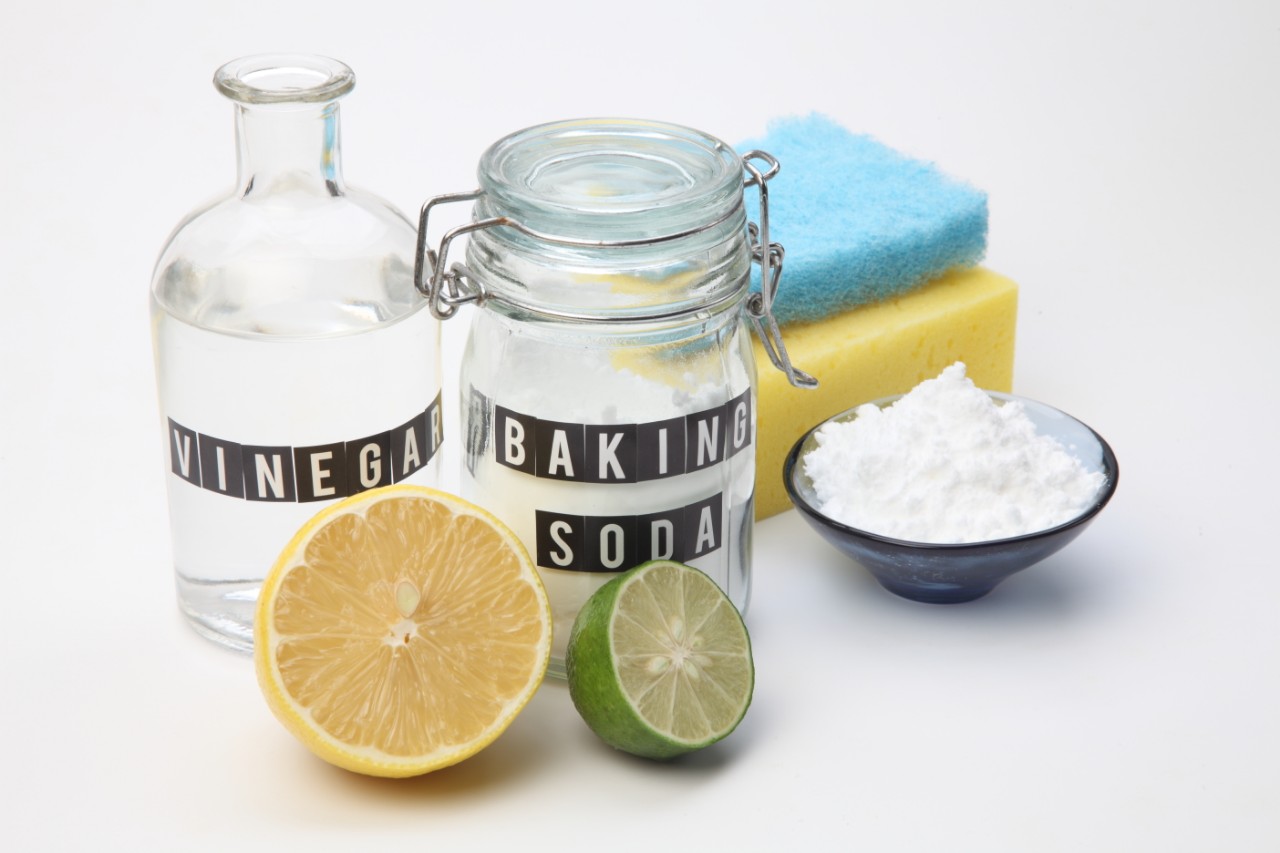
Baking soda is a mild alkali that helps to neutralize acidity in your septic tank. It can also help to control odors. Pour a box of baking soda down your toilet every few months to help deodorize and maintain the pH balance of your septic tank.
3. Vinegar
Vinegar is another effective natural cleaner that can be used to deodorize and clean your septic system. It works by breaking down grease and other organic materials that contribute to sludge build-up. Pour a gallon of white vinegar down your toilet every few months to help neutralize odors and clean the tank.
4. Epsom Salt
Epsom salt can help to prevent sludge buildup and improve the efficiency of your septic tank. The magnesium sulfate in Epsom salt helps to break down organic waste and keep the tank's solids from clumping together. Add 1 cup of Epsom salt to your septic tank every few months to help maintain a healthy environment.
5. Activated Charcoal
Activated charcoal is a highly absorbent material that can help to remove impurities and odors from your septic tank. Pour a cup of activated charcoal down your toilet every few months to help control odors and keep your tank clean.
Tips for Maintaining a Clean Septic Tank
- Avoid Flushing Non-Biodegradable Items: Things like wipes, paper towels, and feminine hygiene products can clog your system and lead to backups.
- Minimize Grease and Oil: Grease and oil can solidify in your septic tank, leading to clogs. Dispose of these materials properly and avoid pouring them down the drain.
- Use a Septic Safe Laundry Detergent: Conventional laundry detergents contain chemicals that can harm your septic tank. Use a septic-safe detergent that is biodegradable and gentle on your system.
- Don't Over-Water Your Lawn: Excessive watering can overload your septic tank and lead to backups. Water your lawn only as needed.
- Regular Inspections and Maintenance: Have your septic tank inspected and pumped every 3-5 years, or more often if you have a large family or use your septic system frequently.
By following these tips and using natural products for maintenance, you can keep your septic system running smoothly and efficiently for years to come. Remember, prevention is key to avoiding costly septic tank problems.
0 comments:
Post a Comment
Note: Only a member of this blog may post a comment.