


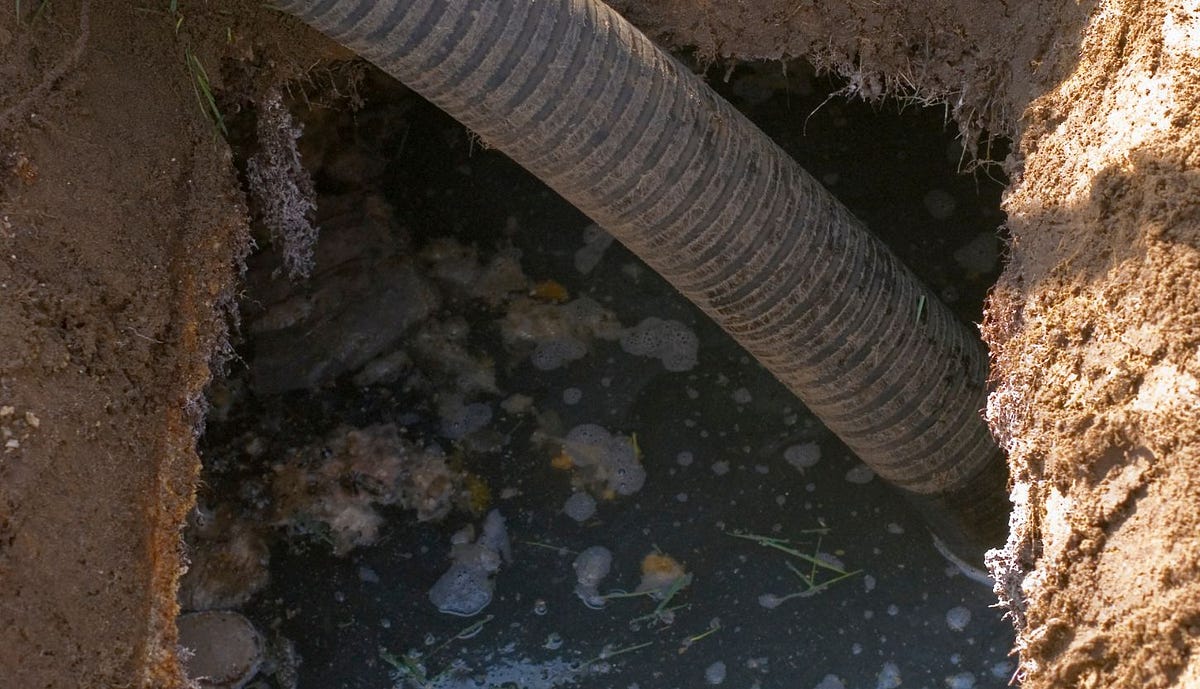
How to Fix Septic Tank Smell Using Professional Help
Ugh, that septic smell! It's one of those problems that makes you want to run for the hills, especially if it's coming from your own home. The thought of a broken septic tank can be a real nightmare, but don't worry! There are ways to handle this situation, and professional help is often the best solution. In this article, we'll walk you through the steps to take, explaining why professional assistance is crucial in fixing your septic system and eliminating that unpleasant odor.
Step 1: Identify the Source of the Smell
Before you jump to conclusions, it's important to narrow down the source of the smell. It might not always be the septic tank itself! Here are some common culprits:
- Leaky Pipes: A small leak in your plumbing system can cause a pungent odor, especially if it's near your septic tank. This is a common issue with older pipes or those that haven't been properly maintained.
- Clogged Drain Field: If the drain field, the area where wastewater is released, becomes clogged, it can lead to backups and a strong smell. This usually happens when the drain field is overloaded or the soil isn't draining properly.
- Vent Stack Issues: Your septic system has a vent stack, a pipe that extends from the tank to your roof. This vent allows gases to escape, preventing pressure buildup. If the vent stack is blocked, the gas can build up and leak into your home.
- The Septic Tank Itself: In the worst-case scenario, the smell might be directly coming from the septic tank due to a malfunction, like a broken lid or a damaged tank.
Don't try to diagnose the problem yourself! It's best to call in a professional septic system inspector. They'll have the tools and expertise to pinpoint the source of the smell and give you an accurate assessment of the situation.
Step 2: Call in the Professionals
Once you've identified the problem, it's time to call in the reinforcements! Septic tank maintenance is a job best left to the experts. Here's why you should choose professional help:
- Safety First: Septic tanks contain hazardous materials like bacteria and methane gas. Attempting to fix the problem yourself can put your health at risk. Professionals have the right equipment and training to handle these situations safely.
- Expertise and Experience: Septic systems are complex, and even a seemingly simple fix can have unintended consequences. Professionals are trained to identify the root cause of the problem and perform repairs efficiently and effectively.
- Long-Term Solutions: A professional will not only fix the immediate issue but also help prevent future problems by suggesting preventive maintenance and upgrades. This will save you headaches and potential expenses in the long run.
- Peace of Mind: Having a professional handle the issue gives you peace of mind knowing it's done right and that your system is working properly.
Step 3: What to Expect During the Repair Process
Here's a glimpse of what to expect when a professional tackles your septic tank issues:
Inspection and Diagnosis:
The first step is a thorough inspection of your septic system. The professional will use cameras, probes, and other tools to pinpoint the problem and assess the overall condition of your tank and drain field. They'll consider factors like age, materials, and usage to determine the best course of action.
Repair or Replacement:
Depending on the severity of the issue, the professional may recommend repairs or a complete replacement. Common repairs include:
- Leaky Pipe Repair: Replacing damaged pipes or sealing leaks.
- Drain Field Repair: Cleaning the drain field, repairing broken pipes, or adding new sections.
- Vent Stack Repair: Clearing blockages, replacing damaged sections, or extending the vent stack.
- Tank Repair: Patching leaks, fixing broken lids, or replacing the entire tank.
Cleaning and Maintenance:
A professional septic system cleaning is a crucial step in maintaining a healthy system. This involves removing sludge and scum from the tank, ensuring proper flow and reducing odors. They might also suggest using septic tank additives to help break down waste and prevent buildup.
Preventive Maintenance:
To avoid future septic nightmares, a professional will recommend a maintenance schedule. This typically involves regular inspections, pumping the tank every few years, and ensuring proper usage to extend the life of your septic system. You may also want to invest in a septic tank alarm that alerts you to potential problems.
Finding the Right Professional
Choosing the right professional is key to getting the job done right. Look for a company with the following qualifications:
- Licensing and Certification: Ensure the company is licensed and certified to work on septic systems in your area. This indicates they meet industry standards and have the necessary qualifications.
- Experience and Reputation: Look for a company with years of experience and a strong reputation in the community. Read reviews and check for complaints to gauge their track record.
- Competitive Pricing: Get quotes from multiple companies to compare pricing. Be wary of extremely low prices as they might indicate lack of experience or low-quality materials.
- Clear Communication: Choose a company that communicates clearly and transparently about the issue, the repair process, and the costs involved.
Additional Tips for Reducing Septic Tank Odors
Even with professional help, there are things you can do at home to minimize septic tank odor:
- Proper Usage: Avoid flushing non-biodegradable items like wipes, paper towels, and feminine hygiene products. These can clog your system and create odors.
- Water Conservation: Minimize water usage by taking shorter showers, fixing leaky faucets, and using low-flow appliances. This helps prevent overloading the system.
- Septic Tank Additives: Use septic tank additives, like bacteria and enzymes, to help break down waste and reduce odor.
- Proper Ventilation: Ensure good ventilation around your septic tank. This helps dissipate odors and prevents the buildup of harmful gases.
Conclusion
Dealing with a smelly septic tank can be frustrating, but it doesn't have to be overwhelming. By calling in a professional, you can get the problem diagnosed and fixed efficiently and safely. With regular maintenance and proper usage, you can keep your septic system working smoothly and avoid those unwanted odors. Remember, taking care of your septic system is an investment in your home's health and your peace of mind!
0 comments:
Post a Comment
Note: Only a member of this blog may post a comment.