


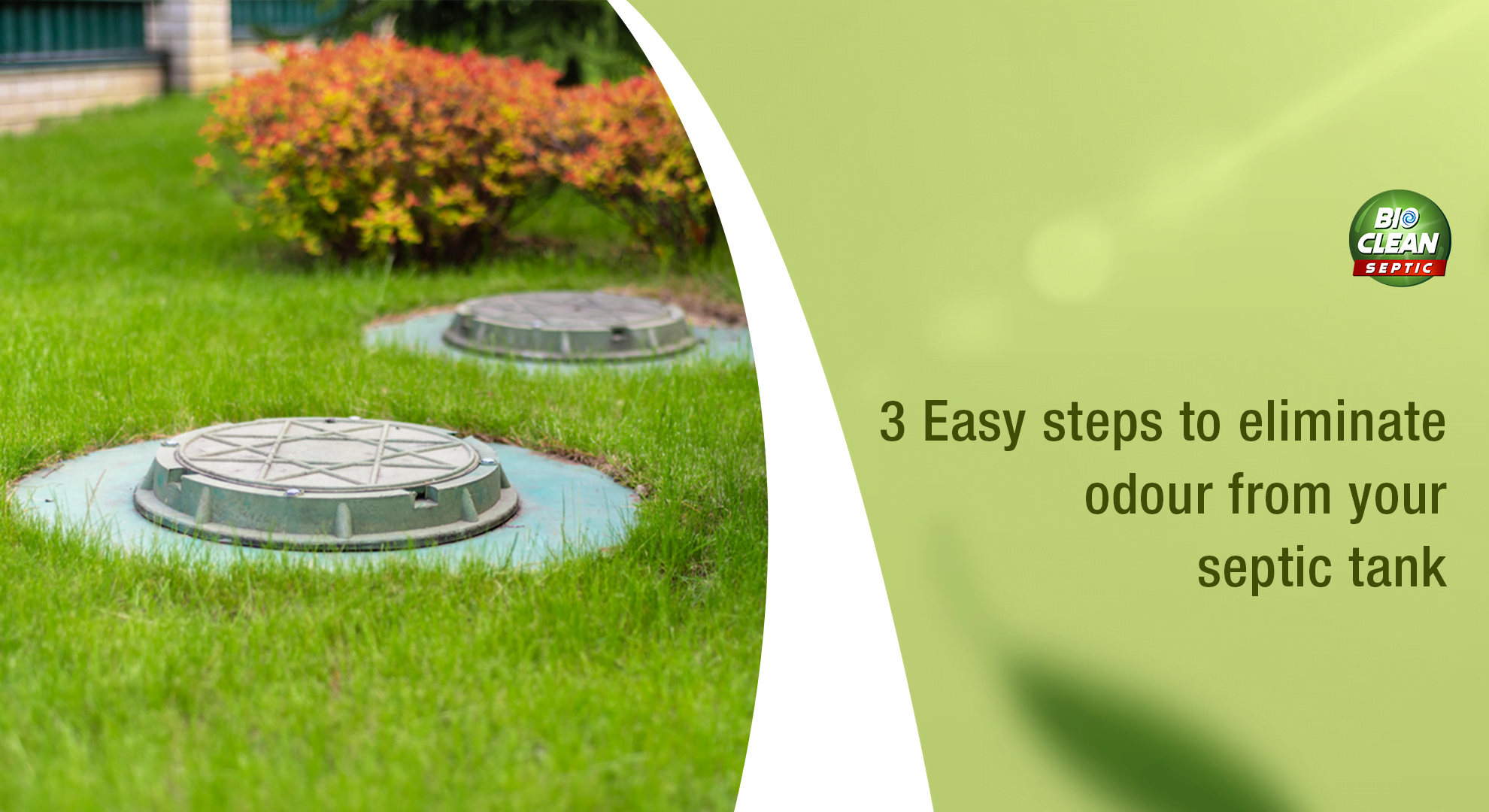
The presence of unpleasant odors emanating from your septic system is a common yet distressing issue. While a strong, intermittent smell may be a sign of a more serious problem, persistent odors often stem from a lack of proper routine maintenance. This article will delve into the common causes of septic tank odors and present a comprehensive guide to eliminating them through a simple, yet effective, regime of care.
Understanding the Roots of Septic Tank Odors
The human nose is incredibly sensitive, and even slight changes in air quality can trigger a strong reaction. Septic tank odors are primarily caused by the breakdown of organic matter in the tank, a process facilitated by bacteria. These bacteria produce hydrogen sulfide gas, responsible for the characteristic rotten egg smell, as well as other volatile organic compounds (VOCs) that contribute to the overall unpleasant aroma.
While the breakdown of organic matter is essential for proper septic system function, an imbalance in the bacterial population can lead to an overproduction of these odorous gases. Factors contributing to this imbalance include:
Overloading the system: Excessive use of water, improper disposal of waste, and the use of harsh chemicals can overwhelm the bacteria, leading to incomplete breakdown of waste and an increase in odor-producing gases.
Insufficient aeration: A lack of oxygen in the tank can hinder the growth of beneficial bacteria, allowing for the proliferation of odor-producing anaerobic bacteria.
Faulty drainage: Clogged drainfields or leaky pipes can prevent wastewater from flowing properly, leading to a buildup of organic matter and an increase in odor.
Improper maintenance: Regular inspection and cleaning of the septic tank and drainfield are crucial for maintaining a balanced bacterial ecosystem and preventing odor.
Establishing a Routine Care Regimen
1. Conserving Water:
Water conservation is a cornerstone of septic system maintenance. Reducing water usage not only minimizes the amount of waste entering the system but also minimizes the risk of overloading the tank and drainfield. Simple steps like shorter showers, fixing leaky faucets, and using water-efficient appliances can significantly reduce water consumption and minimize odor production.
2. Prudent Waste Disposal:
The septic system is designed for the disposal of human waste and greywater. Improper disposal of certain materials can disrupt the bacterial balance and lead to odor problems. Avoid flushing:
Disposable wipes: Even flushable wipes are not truly biodegradable and can clog pipes and impede proper wastewater flow.
Excess paper products: Excessive amounts of paper towels, tissues, and napkins can overwhelm the system.
Food waste: Large quantities of food waste can create an imbalance in the bacterial population and contribute to odor.
Grease and oil: Fats and oils can solidify in pipes and block wastewater flow, leading to backups and odors.
Chemicals and medications: Harsh chemicals, such as bleach, disinfectants, and certain medications, can kill beneficial bacteria and disrupt the natural breakdown process.
3. Regular Inspections and Pumpings:
Regular inspections and pumpings are essential for ensuring proper functioning of your septic system and preventing odors. Professional technicians can assess the health of the system, identify potential issues, and recommend necessary corrective measures.
Tank Inspections: A visual inspection of the tank every 1-2 years can reveal signs of buildup, sediment, or damage.
Pumpings: Septic tank sludge should be pumped out every 3-5 years, depending on the size of the tank and household usage.
4. Aeration and Odor Control:
Improving aeration within the septic tank can promote the growth of beneficial bacteria and minimize odor production.
Aerobic bacteria: These bacteria thrive in oxygen-rich environments and can help break down waste more efficiently.
Septic tank additives: Specialized additives containing beneficial bacteria can be introduced to the tank to improve waste decomposition and control odor.
Ventilation: Ensure adequate ventilation in areas surrounding the septic tank and drainfield to facilitate air circulation and reduce odor buildup.
5. Addressing Drainfield Issues:
The drainfield is responsible for filtering and absorbing the treated wastewater. A clogged or malfunctioning drainfield can cause backups and odor problems.
Regular inspection: Inspect the drainfield for signs of pooling water, excessive vegetation, or soil compaction.
Maintenance: Periodically clear the drainfield of any accumulated debris and ensure proper drainage.
6. Natural Odor Control:
Simple household remedies can be used to address odors emanating from the septic system.
Baking soda and vinegar: Pouring a mixture of baking soda and vinegar down the drain can help neutralize odors and unclog pipes.
Activated charcoal: Place a bowl of activated charcoal near the source of the odor to absorb volatile organic compounds.
Coffee grounds: Coffee grounds can help absorb odors and provide nutrients to the bacteria in the septic system.
7. Addressing Persistent Odors:
If odor problems persist despite following these steps, it is advisable to consult a qualified professional to diagnose and address the underlying cause.
Conclusion
Eliminating septic tank odors requires a proactive approach and consistent attention to detail. By following a simple routine care regimen, you can effectively manage your septic system, minimize odor production, and ensure its longevity. Remember that preventative measures are crucial to avoid costly repairs and maintain a pleasant living environment.
0 comments:
Post a Comment
Note: Only a member of this blog may post a comment.