


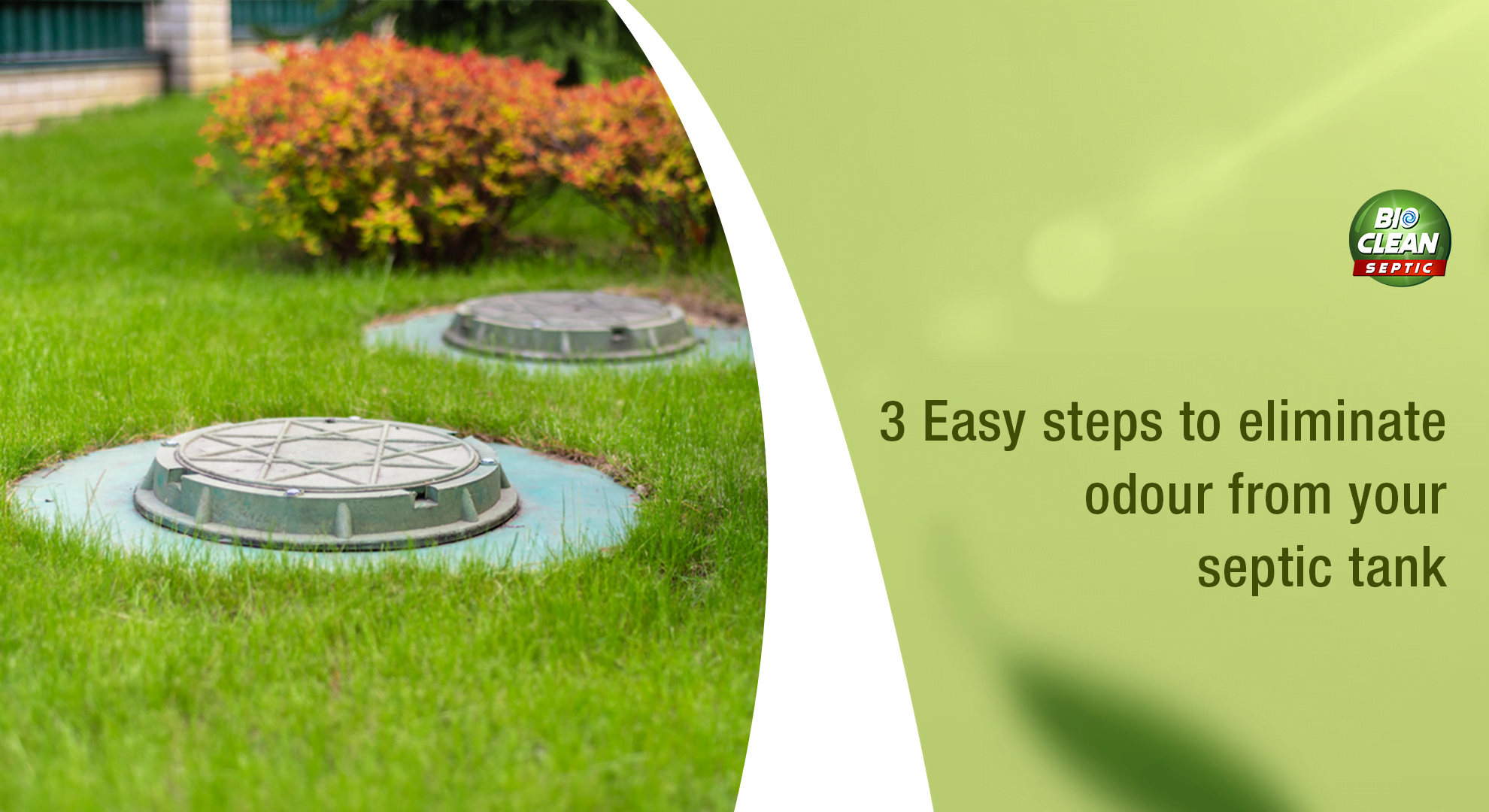
Eliminating Septic Tank Odors: A Comprehensive Guide
The unmistakable aroma of a malfunctioning septic system can be a source of embarrassment and discomfort. This offensive odor, often described as sewage-like, can permeate your home, garden, and even neighboring properties. While a septic tank is a vital component of your wastewater management, a faulty system can lead to unpleasant smells and potential health hazards. Fortunately, there are various strategies you can employ to effectively address and eliminate these pervasive odors.
Understanding the Source of the Smell
Before tackling the odor, it's crucial to understand its origin. The characteristic septic tank smell arises from the breakdown of organic matter within the tank. This process, facilitated by bacteria, releases gases like hydrogen sulfide, methane, and ammonia, which are responsible for the unpleasant aroma. The odor can emanate from different points in the system:
Septic Tank Lid and Vents:
The lid of the septic tank and vent pipes are potential escape routes for gases. If the lid is cracked, loose, or improperly sealed, odors can easily escape. Similarly, clogged or malfunctioning vent pipes can prevent gases from dissipating into the atmosphere, leading to backpressure and odor buildup.
Drainfield:
The drainfield, where treated wastewater is released, can also contribute to odor problems. If the drainfield is overloaded or improperly installed, it can become saturated, leading to the release of gases and a foul smell. Additionally, inadequate soil drainage can result in standing water around the drainfield, further exacerbating the odor.
Plumbing:
Leaks in the plumbing system, particularly in the sewer lines, can allow sewage to escape and create an unpleasant odor. This is particularly true for old or corroded pipes. If the leak is in the drain lines connecting to your appliances or fixtures, the problem may be localized to those specific areas.
Strategies to Eliminate Septic Tank Odors
Once you've identified the source of the smell, you can implement the following strategies to address and eliminate the odor:
Proper Septic Tank Maintenance
- Regular Pumping: The most effective way to prevent odors is to ensure your septic tank is pumped regularly. A full tank can lead to solids overflowing into the drainfield, causing clogging and odor problems. Pumping frequency depends on the size of the tank and usage, but generally every 3-5 years is recommended.
- Inspection and Cleaning: Schedule regular inspections of your septic tank and drainfield. A professional inspector can identify any potential issues or signs of failure that could contribute to odor problems. Clean the tank and drainfield as needed to remove accumulated solids and debris.
- Avoid Overloading: Be mindful of what you flush down the drain. Avoid excessive use of harsh chemicals, disposable wipes, and other non-biodegradable materials that can overload the system and contribute to odor problems.
- Water Conservation: Reduce water usage to minimize the volume of wastewater entering the septic tank. This will help to prevent overloading and maintain proper system function.
Addressing the Drainfield
- Proper Installation: Ensure the drainfield is properly installed and maintained. Consult a licensed septic system professional for any necessary repairs or replacements.
- Soil Drainage: Ensure the soil around the drainfield has adequate drainage to prevent water buildup and odor problems. Consider regrading the surrounding area if necessary to improve drainage.
- Overloading: If the drainfield is overloaded, a septic system professional may recommend a larger drainfield or alternative treatment systems to manage the increased wastewater flow.
Fixing Plumbing Leaks
- Inspection and Repair: Inspect your plumbing system for leaks, particularly in the sewer lines. A professional plumber can help identify and repair leaks. Replacing old or corroded pipes can prevent future leaks and odors.
- Sewer Line Cleaning: If the sewer line is clogged or blocked, a professional plumber can clear the blockage using specialized equipment. This will prevent the buildup of sewage and eliminate odors.
Other Strategies to Combat Septic Tank Smell
- Ventilate the House: Open windows and doors to improve air circulation and remove stale air. This will help to dilute any lingering odors from the septic system.
- Use Air Fresheners: Use air fresheners to mask the odor, but be aware that they may only temporarily cover the smell. Address the root cause of the odor for a lasting solution.
- Natural Remedies: Some natural remedies like baking soda, vinegar, and essential oils can help to absorb or neutralize odors. Place bowls of baking soda or a mixture of vinegar and water in affected areas to absorb odors. Essential oils like tea tree oil and eucalyptus oil can also help to mask the smell.
Preventing Future Septic Odor Problems
Once you've eliminated the current odor, you can take steps to prevent future issues:
- Regular Maintenance: Adhere to a regular schedule for septic tank pumping and system inspections. Early detection and preventive measures are key to preventing odor problems.
- Conscientious Usage: Avoid flushing non-biodegradable items down the drain and be mindful of water usage to minimize the load on the septic system.
- Monitor the System: Pay attention to any changes in the system's performance, such as slow drainage, gurgling sounds, or unusual odors. Promptly address any issues to prevent them from escalating into larger problems.
Seeking Professional Help
If you are unable to resolve the odor problem yourself or suspect a serious system issue, contact a licensed septic system professional. A professional can provide a thorough assessment of your system, identify the root cause of the odor, and recommend appropriate solutions. They can also help you with ongoing maintenance and ensure your septic system operates efficiently and odor-free.
0 comments:
Post a Comment
Note: Only a member of this blog may post a comment.